Tracing Verification Audit Cycles Against Withdrawal Velocity Metrics in Cross-Border Digital Table and Reel Networks
Written by Ellis Werner · Jun 7, 2026
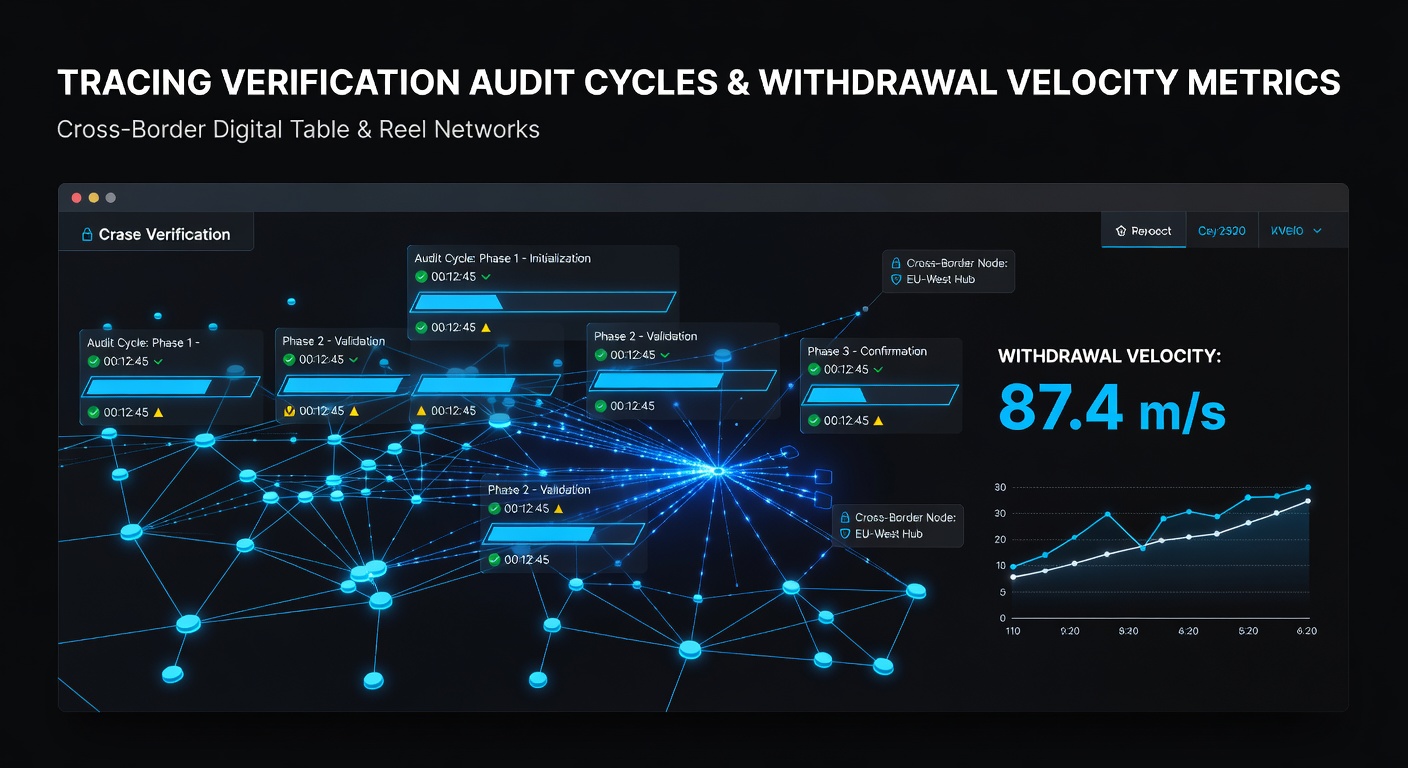
Tracing Verification Audit Cycles Against Withdrawal Velocity Metrics in Cross-Border Digital Table and Reel Networks
Cross-border digital table and reel networks operate through interconnected platforms that handle live dealer tables alongside slot mechanics, and operators track verification audit cycles to ensure compliance while monitoring withdrawal velocity metrics that measure how quickly funds move out of player accounts. These two processes intersect when regulatory frameworks require documented checks on identity and transaction history at the same time platforms process international payouts across multiple jurisdictions.
Core Components of Verification Audit Cycles
Verification audit cycles consist of scheduled reviews that examine player onboarding data, transaction logs, and security protocols in table game environments where real-time dealer interactions occur and in reel-based systems that rely on random number generators. Researchers at institutions focused on digital finance have documented how these cycles typically span 30 to 90 days depending on transaction volume, with auditors cross-referencing biometric records against banking details to flag inconsistencies before funds leave the network.
Operators in regions such as North America and parts of Asia integrate automated tools that scan for patterns indicating potential money laundering, yet manual reviews remain essential when cross-border elements introduce currency conversion variables or differing legal standards. Data from early 2026 shows platforms processing over 2 million daily reel spins alongside thousands of table sessions must complete these audits without disrupting user access, which creates pressure to balance thoroughness against operational speed.
Withdrawal Velocity Metrics in Practice
Withdrawal velocity metrics calculate the average time from request submission to fund arrival in a player's external account, often broken down by payment method and geographic corridor. In digital table networks, high-roller sessions can generate large balances that trigger velocity thresholds, prompting additional verification steps before release, while reel platforms see more frequent but smaller withdrawals that accumulate across multiple sessions.
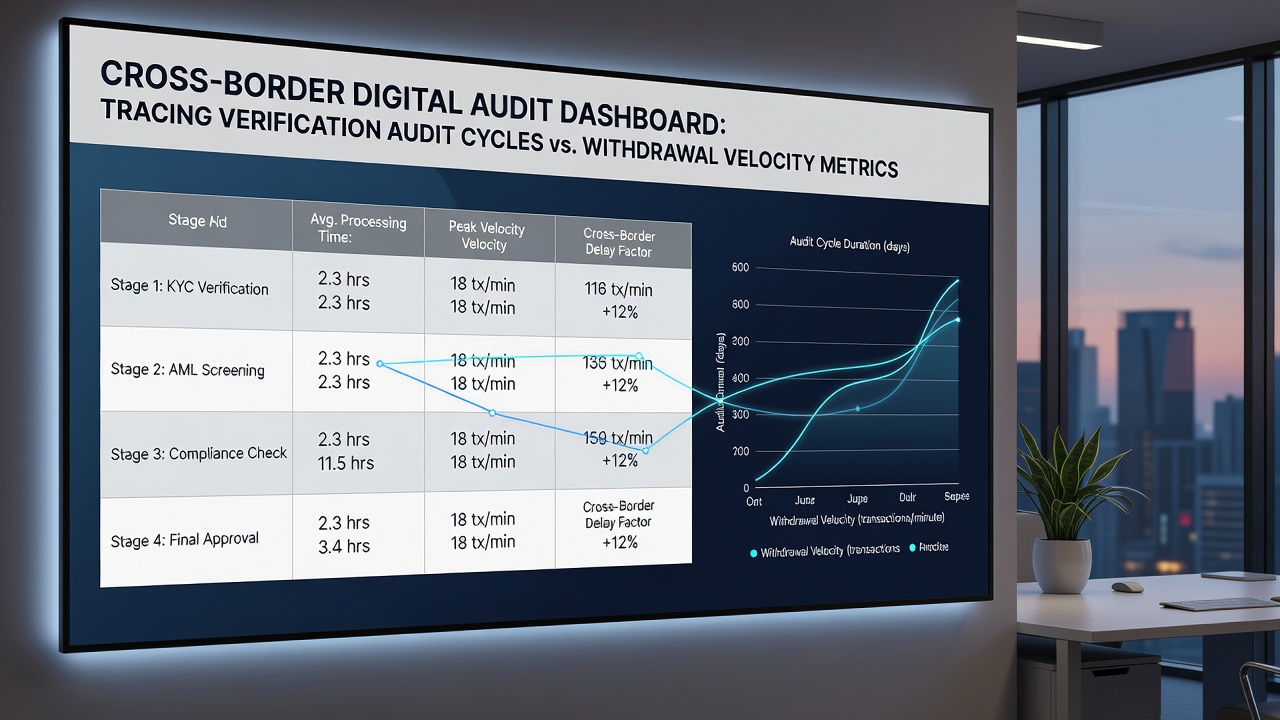
Figures released by the Nevada Gaming Control Board indicate that compliant operators maintained average withdrawal times under 48 hours for verified accounts during the first half of 2026, although cross-border transfers to European or Australian players frequently extended to 72 hours because of additional currency checks. These metrics become critical when networks span multiple time zones and banking partners, since delays in one jurisdiction can cascade through the entire system and affect player retention patterns.
Intersection Points Between Audits and Velocity
Tracing the relationship reveals that longer audit cycles correlate with reduced withdrawal velocity in networks handling both table and reel products, because flagged accounts undergo extended review before any payout processes. Observers note that platforms using unified compliance dashboards can shorten this lag by pre-approving low-risk players based on historical data, allowing velocity metrics to remain competitive even as audit frequency increases.
One documented case involved a multi-jurisdictional operator that adjusted its reel network protocols in March 2026 after internal analysis showed verification delays adding an average of 18 hours to withdrawal times for players in Southeast Asia. Adjustments included real-time API connections to third-party identity services, which reduced repeat audits while maintaining regulatory alignment across borders.
Regional Variations and Data Patterns
European markets governed by bodies such as the Malta Gaming Authority apply stricter velocity caps on unverified accounts compared with certain North American state frameworks, leading operators to segment their table and reel offerings by player location. Australian regulatory reports from the same period highlight how cross-border reel networks experienced velocity spikes during promotional periods, prompting temporary audit intensification to prevent system overload.
Industry associations tracking these trends report that networks combining live dealer tables with reel mechanics require hybrid audit models, since table sessions often involve higher per-transaction values that directly influence velocity calculations. Patterns emerging in June 2026 suggest operators who synchronize audit timing with peak withdrawal windows achieve more stable metrics without sacrificing compliance standards.
Conclusion
Effective tracing of verification audit cycles against withdrawal velocity metrics enables cross-border digital table and reel networks to maintain operational integrity while meeting diverse regulatory expectations. Continued refinement of these processes supports smoother fund movement across jurisdictions and provides measurable benchmarks for platform performance.