Tracing Behavioral Shifts From Loyalty Tiers Across Portable Wagering Networks
Written by Theo Simon · Jun 11, 2026
Tracing Behavioral Shifts From Loyalty Tiers Across Portable Wagering Networks
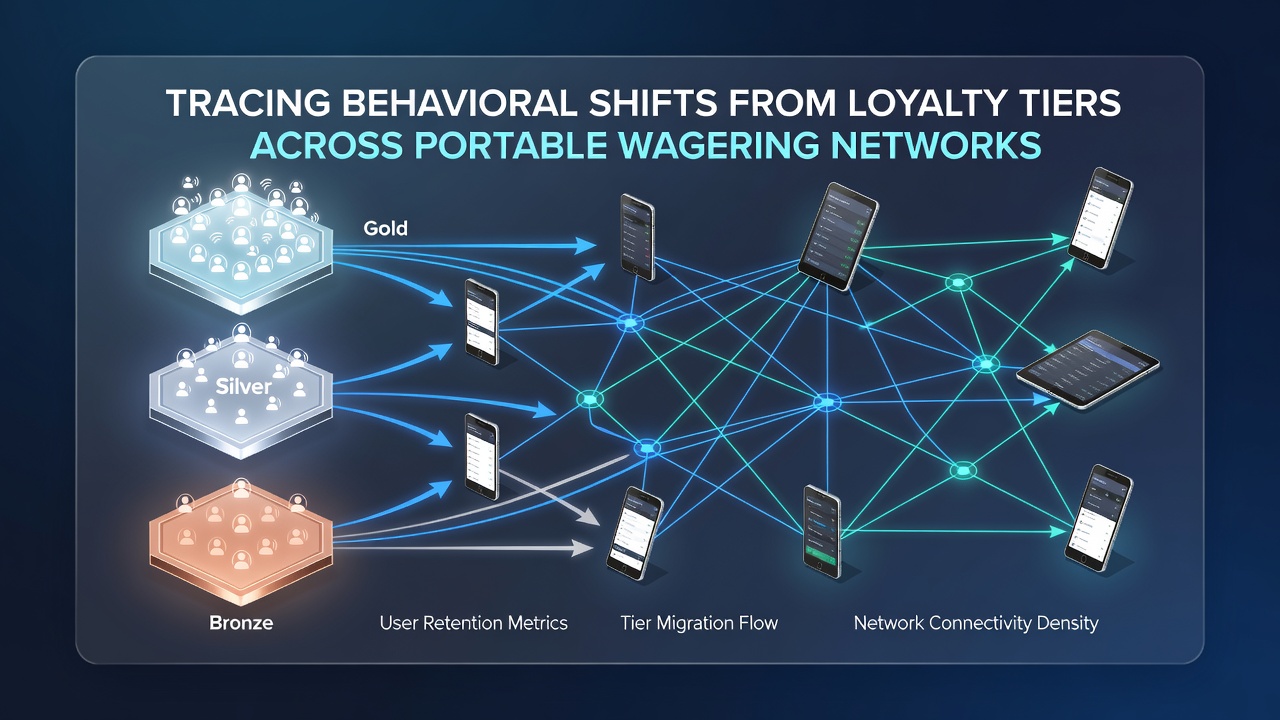
Portable wagering networks have expanded rapidly, and loyalty tiers now serve as central mechanisms that shape how users interact with mobile betting platforms over time. These systems typically award points based on wager volume, deposit frequency, and session duration, then unlock escalating benefits such as cashback percentages, exclusive events, and faster withdrawal processing as players advance from entry-level status to higher brackets like gold or diamond.
Researchers tracking user data across multiple jurisdictions report that movement between tiers correlates with measurable changes in betting frequency and stake size. Lower-tier participants often begin with conservative wagers on familiar markets, yet once they reach mid-level status they increase both volume and variety of bets placed during a single session, according to aggregated platform analytics reviewed in early 2026.
How Tier Progression Influences Daily Engagement Patterns
Observers monitoring cross-platform activity note that players who cross into premium tiers tend to extend their average session length by 20 to 35 minutes compared with their earlier behavior. This extension occurs because additional perks, such as personalized promotions delivered through push notifications, arrive more frequently and encourage repeated logins throughout the day. Data collected from networks operating in several U.S. states shows these users also shift a larger share of their activity toward live in-play markets rather than pre-match selections alone.
Figures released in June 2026 by state gaming authorities indicate that retention rates improve once participants accumulate enough points to unlock tier-specific reload bonuses. The same reports reveal that withdrawal velocity accelerates for higher-tier accounts, which in turn affects how quickly players recycle winnings back into new wagers rather than pausing activity.
Cross-Platform Migration and Spending Adjustments
Analysts examining anonymized transaction logs find that loyalty structures prompt some users to consolidate activity onto fewer applications once they achieve elevated status on one network. This consolidation reduces fragmentation across multiple portable platforms and concentrates spending within the system that offers the most immediate tier benefits. Conversely, players who perceive slower progress sometimes migrate toward newer entrants that grant accelerated point accrual during promotional windows.
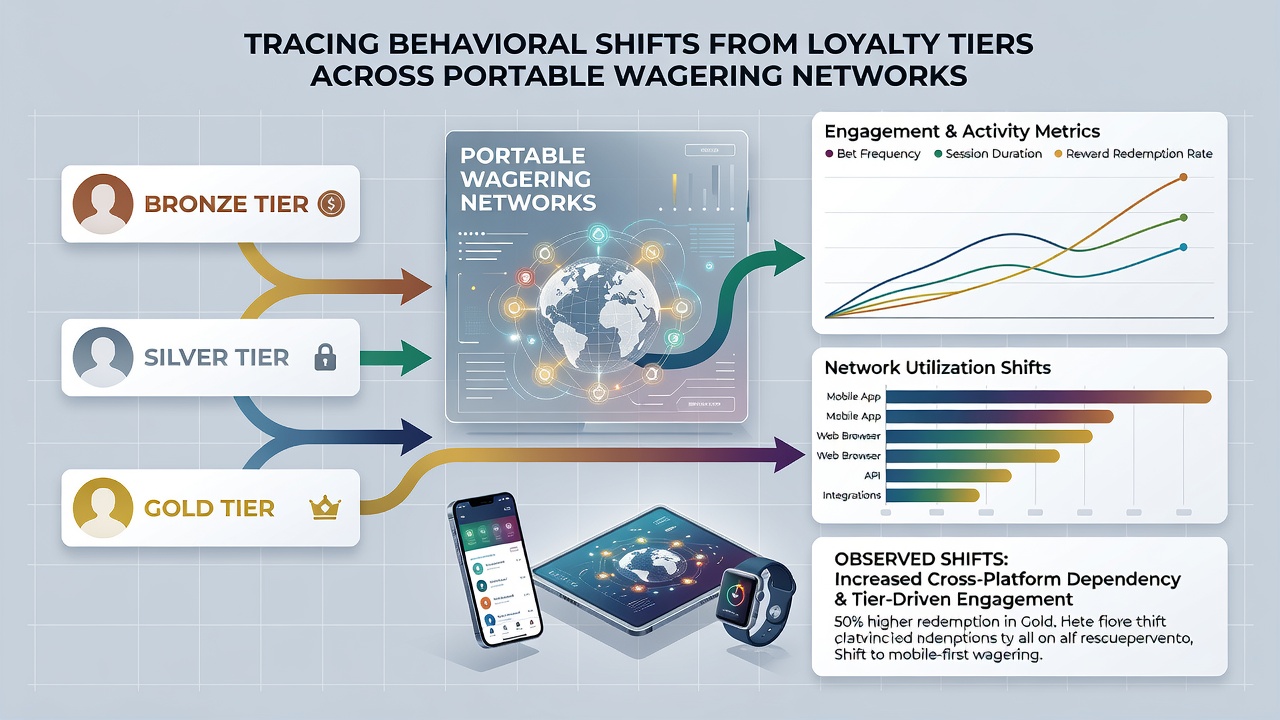
University-led studies on player cohorts in regulated markets document a modest uptick in average bet size once users secure tier benefits that offset potential losses through cashback mechanisms. These adjustments appear most pronounced among participants who previously maintained steady but modest activity levels before advancing. The same research tracks how demographic segments respond differently, with younger cohorts showing quicker adaptation to tier-driven incentives than older groups.
Regulatory Context and Data Transparency in 2026
State-level oversight bodies have begun requiring operators to publish tier-progression statistics alongside standard revenue reports. This added transparency allows independent researchers to correlate loyalty mechanics with observed shifts in wager patterns without relying solely on self-reported surveys. In several jurisdictions, June 2026 filings included breakdowns by tier that highlighted faster point accumulation during major sporting events, prompting temporary spikes in engagement that subsided once events concluded.
Industry associations such as the American Gaming Association have compiled comparative data across mobile networks, revealing that platforms offering tier-linked insurance on parlays experience higher retention among mid-tier users than those relying exclusively on static welcome bonuses. These comparisons help regulators assess whether tier structures produce sustained behavioral changes or merely temporary surges.
Future Monitoring of Tier-Driven Behaviors
Continued collection of session-level metrics across portable networks will clarify how loyalty tiers interact with emerging features such as integrated live streaming and real-time odds adjustments. Current datasets already show that users who reach top tiers allocate a greater proportion of their monthly budget to the primary platform holding their status, reducing leakage to competing applications. Ongoing academic projects funded through multiple regional agencies aim to isolate the precise contribution of each reward type to these spending reallocations.
Conclusion
Behavioral records compiled through 2026 demonstrate that loyalty tiers embedded in portable wagering networks produce measurable, tier-specific adjustments in engagement duration, wager variety, and platform loyalty. As reporting requirements expand and datasets grow more granular, researchers gain clearer visibility into the pathways players follow when advancing through these structures, providing regulators and operators with evidence-based insights into long-term usage trends.