Regional Licensing Variations Shaping Real-Time Payout Algorithms Across Smartphone Wagering Platforms
Written by Ellis Werner · Jul 30, 2026
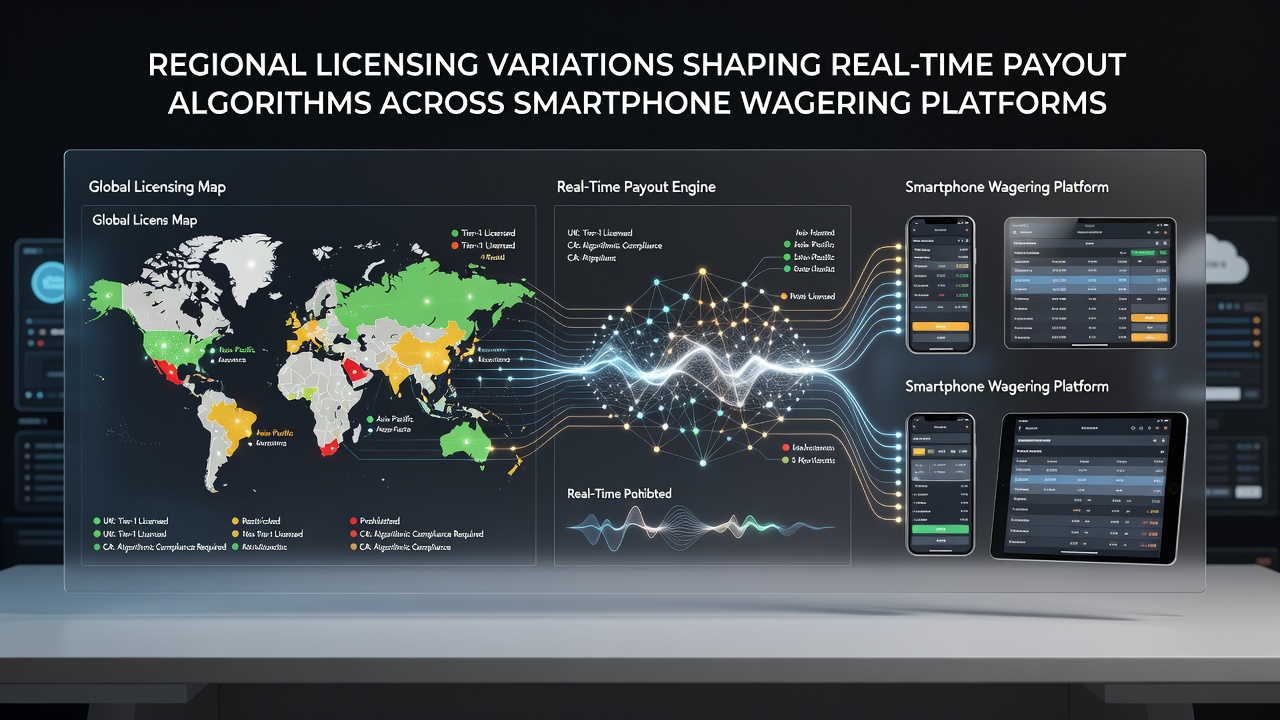
Regional Licensing Variations Shaping Real-Time Payout Algorithms Across Smartphone Wagering Platforms
Regional licensing frameworks create distinct operational parameters that directly influence how smartphone wagering platforms develop and deploy real-time payout algorithms, and these differences emerge clearly when comparing jurisdictions across North America, Europe, and Asia-Pacific markets. Data from multiple regulatory bodies shows that license conditions often specify transaction verification timelines, identity confirmation protocols, and fund segregation requirements which in turn dictate the computational logic inside payout systems.
Core Elements of Licensing That Drive Algorithm Adjustments
Operators must align payout processing speeds with local rules on fund release windows, and this alignment forces developers to build modular code that switches between jurisdictions based on user location detected through device GPS and IP signals. In July 2026 several U.S. states updated their technical standards to require sub-five-second settlement for approved withdrawals, prompting companies to recalibrate their queue management routines while maintaining separate slower paths for markets with stricter manual review mandates. Observers note that these changes appear in the form of conditional branching within the core algorithm rather than entirely separate applications for each region.
European markets outside the UK impose data residency clauses that require transaction ledgers to remain on servers located within the licensing territory, and this constraint leads engineers to incorporate localized caching layers that feed into the central real-time decision engine. Australian state regulators, including those in New South Wales and Victoria, mandate independent third-party certification of payout randomness and timing fairness, which adds an extra validation step before funds move from operator accounts to player wallets. Those certifications translate into additional API calls that the algorithm must complete without exceeding the overall processing deadline set by the license.
Technical Implementation Across Smartphone Ecosystems
Smartphone applications handle location-aware routing by embedding lightweight regulatory lookup tables that update monthly through secure push notifications, and these tables determine whether the payout request triggers an immediate bank transfer API, a cryptocurrency settlement node, or a queued review process. Research conducted by academic teams at the University of Nevada, Las Vegas, indicates that platforms serving multiple U.S. states achieve higher throughput when they pre-load state-specific rule sets during app installation rather than querying remote servers at payout time. The same studies reveal measurable reductions in latency when the algorithm uses edge computing resources on the device itself to handle preliminary compliance checks before transmitting data to central servers.
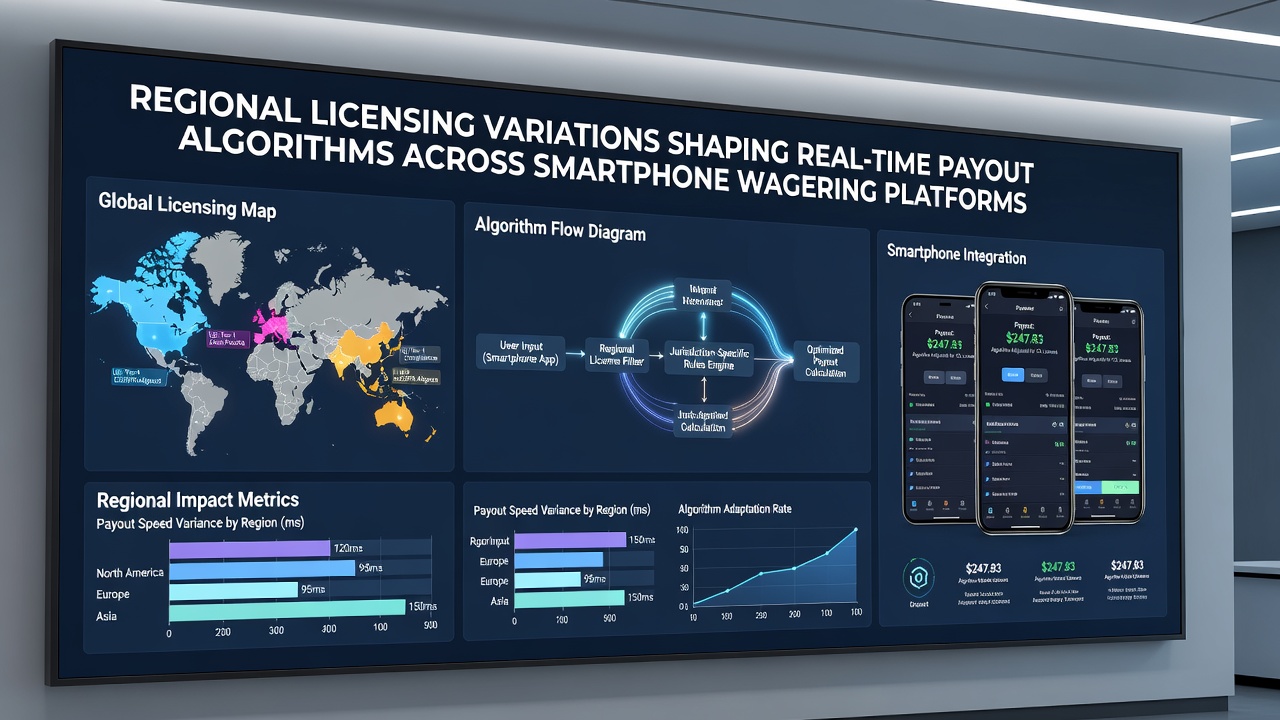
Payment rail selection also varies by license, with some Canadian provincial frameworks favoring Interac e-Transfers that settle in under three minutes while certain Asian markets require integration with local banking switches that operate on batch cycles. Developers therefore maintain parallel integration modules and let the algorithm select the appropriate rail based on the active license profile attached to each user session. Figures released by the Ontario Lottery and Gaming Corporation in early 2026 documented a 19 percent increase in same-day payout volume after operators activated an automated compliance layer that cross-references license rules against transaction metadata in real time.
Case Examples from Multiple Jurisdictions
One large operator serving both New Jersey and Pennsylvania implemented a unified smartphone app that applies different withdrawal velocity caps depending on which state license governs the account, and internal performance logs show the algorithm adjusts its fraud scoring thresholds accordingly to meet each regulator’s risk tolerance. In contrast, operators licensed in Malta and licensed markets in Scandinavia route European payouts through a single SEPA instant system while maintaining separate pathways for non-European users whose licenses impose currency conversion reporting requirements. These adaptations appear in production code as configuration-driven feature flags rather than hard-coded branches, allowing rapid updates when licensing conditions change.
Cross-border players who move between regions trigger geofencing events that force the algorithm to re-evaluate pending payout requests against the new jurisdiction’s rules, and platform telemetry collected during July 2026 demonstrated that such re-evaluations complete in under 800 milliseconds on average when the lookup tables remain cached locally on the device.
Conclusion
Regional licensing variations continue to shape the architecture of real-time payout algorithms used on smartphone wagering platforms by dictating verification steps, settlement timelines, and data handling practices that differ across jurisdictions. Operators respond by embedding flexible rule engines and location-aware routing logic that maintain compliance while preserving processing speed. Data from regulatory filings and independent technical studies confirm that these adaptations occur through modular software design rather than wholesale system replacements, and the pattern shows no sign of simplification as new markets introduce their own licensing conditions.