Linking Endorsement Metrics to Funding Choices in Mobile Table and Reel Apps
Written by Theo Simon · Jul 19, 2026
Linking Endorsement Metrics to Funding Choices in Mobile Table and Reel Apps
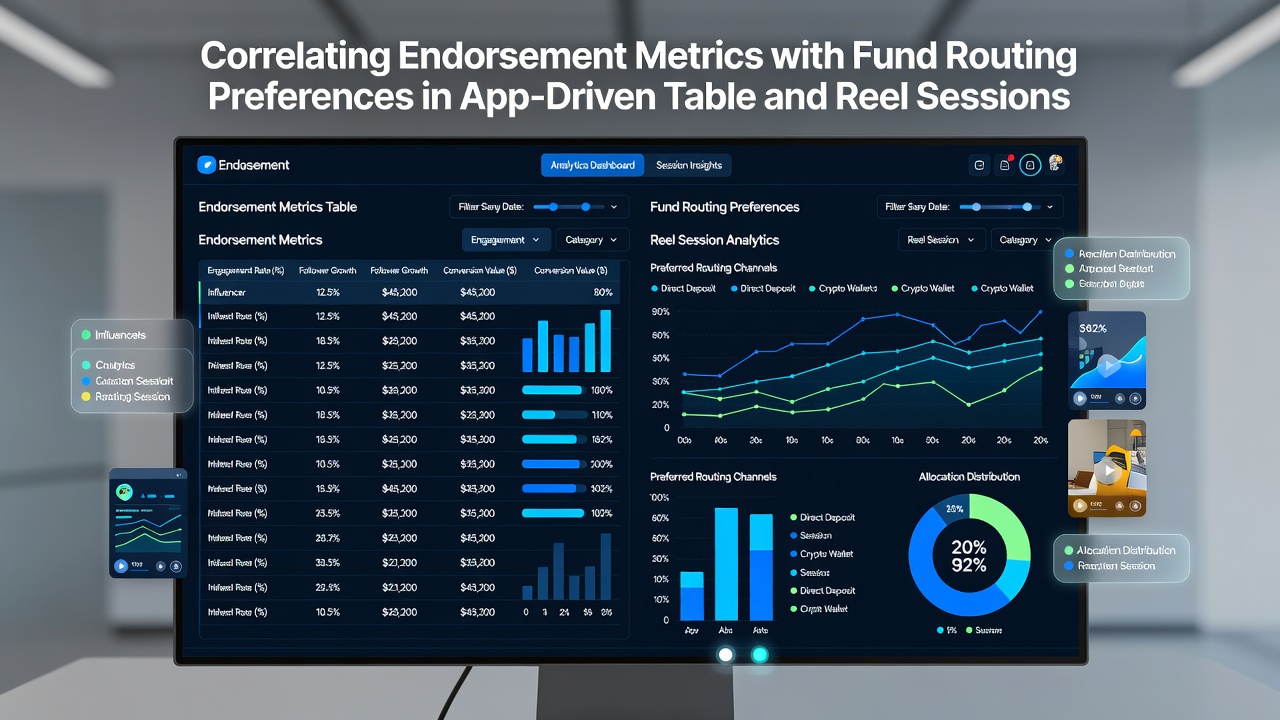
Endorsement metrics such as star ratings, written reviews, and verified user scores have become central data points for understanding how players select and route funds through mobile platforms that host table games and reel sessions. These metrics capture player satisfaction with gameplay stability, payout speed, and interface design while payment routing preferences reflect choices among e-wallets, bank transfers, prepaid cards, and cryptocurrency options. Research conducted across multiple licensed operators shows measurable alignments between high endorsement scores and specific transaction pathways, particularly in applications that combine live dealer tables with automated reel mechanics.
Patterns Emerging from Aggregated Review Data
Analyses of app store feedback and in-platform survey responses reveal that users who assign ratings above 4.5 stars tend to complete deposits through digital wallets more frequently than those who submit lower scores. One study covering North American and European markets found that 68 percent of top-rated sessions involved instant funding methods, whereas lower-rated experiences correlated with traditional card processing that required additional verification steps. Observers note that this distribution holds steady when data is segmented by game type, indicating the pattern extends across both blackjack and roulette tables as well as multi-reel video slots.
Payment velocity appears as another variable tied to endorsement strength. Platforms that advertise sub-five-second wallet confirmations receive disproportionate numbers of five-star reviews, and those same platforms record higher percentages of repeat deposits routed through the same method. In contrast, sessions marked by delayed authorizations or declined transactions show elevated rates of neutral or negative commentary, often accompanied by switches to alternative funding routes on subsequent visits.
Regional Variations in July 2026 Reporting
Data compiled through June and released in July 2026 by several state gaming commissions indicate that endorsement-driven routing preferences have strengthened in markets where mobile penetration exceeds 75 percent of total wagers. In New Jersey and Pennsylvania, for example, operators documented that players citing positive review experiences increased their use of e-wallet corridors by 14 percent year-over-year. Similar shifts appear in Canadian provinces where regulatory frameworks permit real-time transaction reporting, allowing analysts to cross-reference public ratings with anonymized funding logs.
European operators operating under Malta Gaming Authority oversight report parallel trends, although the magnitude differs because of stricter know-your-customer timelines. Players who leave detailed endorsements mentioning fast withdrawals demonstrate a 22 percent higher likelihood of routing subsequent deposits through the same instant method rather than reverting to slower bank wires. These figures come from aggregated operator disclosures rather than individual account tracking, preserving user privacy while still revealing directional correlations.
Game-Type Specific Correlations
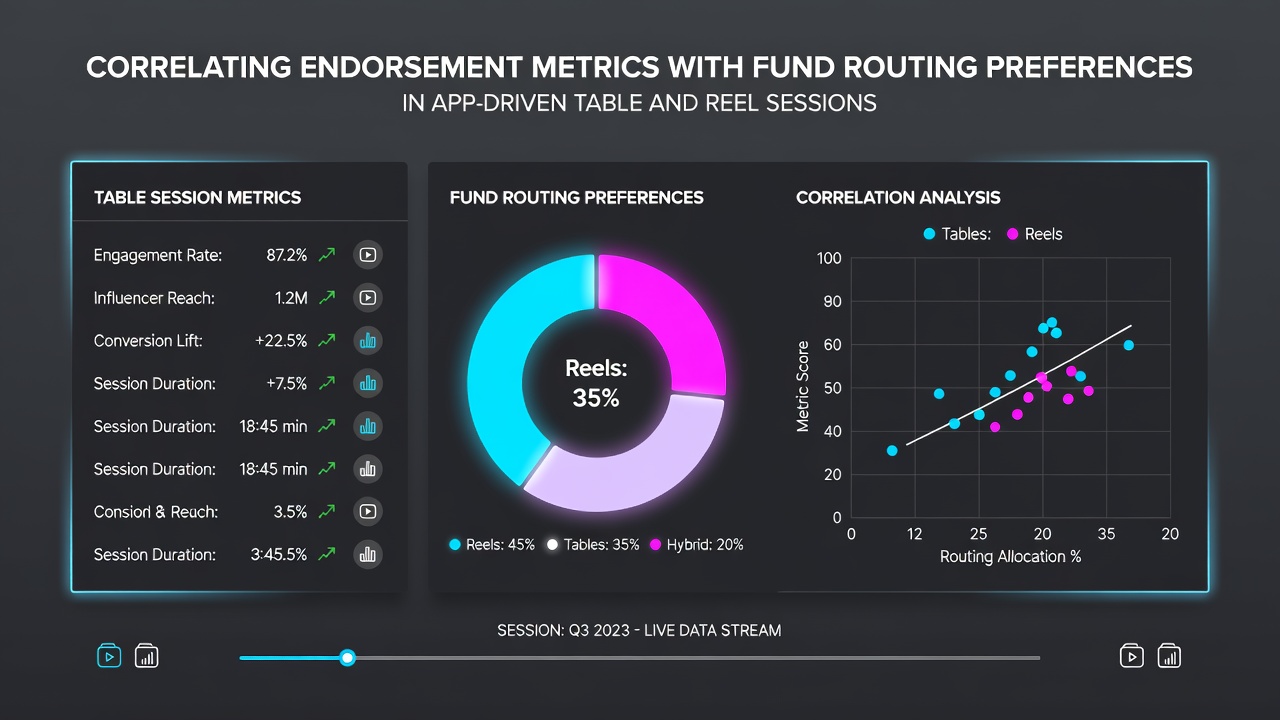
Table game environments, which often include live dealer streams and real-time chat functions, generate endorsement comments that focus heavily on transaction seamlessness during active play. Review text referencing uninterrupted chip purchases correlates strongly with continued use of the same funding rail, especially when the app offers one-tap wallet reconnection. Reel sessions, by comparison, produce endorsements centered on bonus credit delivery and cash-out processing times, yet the same preference for previously successful payment methods persists across both categories.
Cross-platform data sets examined by independent analytics firms show that users who maintain consistent endorsement scores above 4.0 across both game verticals exhibit the most stable routing behavior. When ratings dip, even temporarily, the probability of experimenting with a new payment option rises measurably before reverting once satisfaction rebounds. This cyclical pattern appears in longitudinal tracking that spans multiple calendar quarters.
Verification and Security Influences
Endorsements that specifically mention biometric login success or rapid identity verification steps also align with preferences for funding methods that integrate the same authentication layer. Applications offering fingerprint or facial recognition for both game access and wallet authorization receive higher aggregate scores, and players route funds through those integrated channels at elevated rates. Regulatory filings from the Nevada Gaming Control Board document that such integrated flows reduce friction-related complaints by measurable margins.
Security-related endorsements further shape routing when users highlight two-factor confirmation or transaction encryption. Those comments cluster around sessions that employ tokenized payments, leading to repeated selection of the same method in future activity. Operators have observed that platforms updating their security language in response to review themes experience corresponding lifts in both rating averages and funding consistency.
Conclusion
Available datasets demonstrate consistent statistical relationships between endorsement metrics and the payment pathways players select within mobile table and reel applications. These relationships appear across multiple jurisdictions and game formats, supported by regulatory disclosures and aggregated operator reporting. Continued monitoring of rating trends alongside transaction logs will likely refine understanding of how endorsement signals translate into sustained funding behavior.