Linking Aggregated Trust Benchmarks to Deposit Preferences Across Smartphone-Based Reel and Table Networks
Written by Ellis Werner · Jul 9, 2026
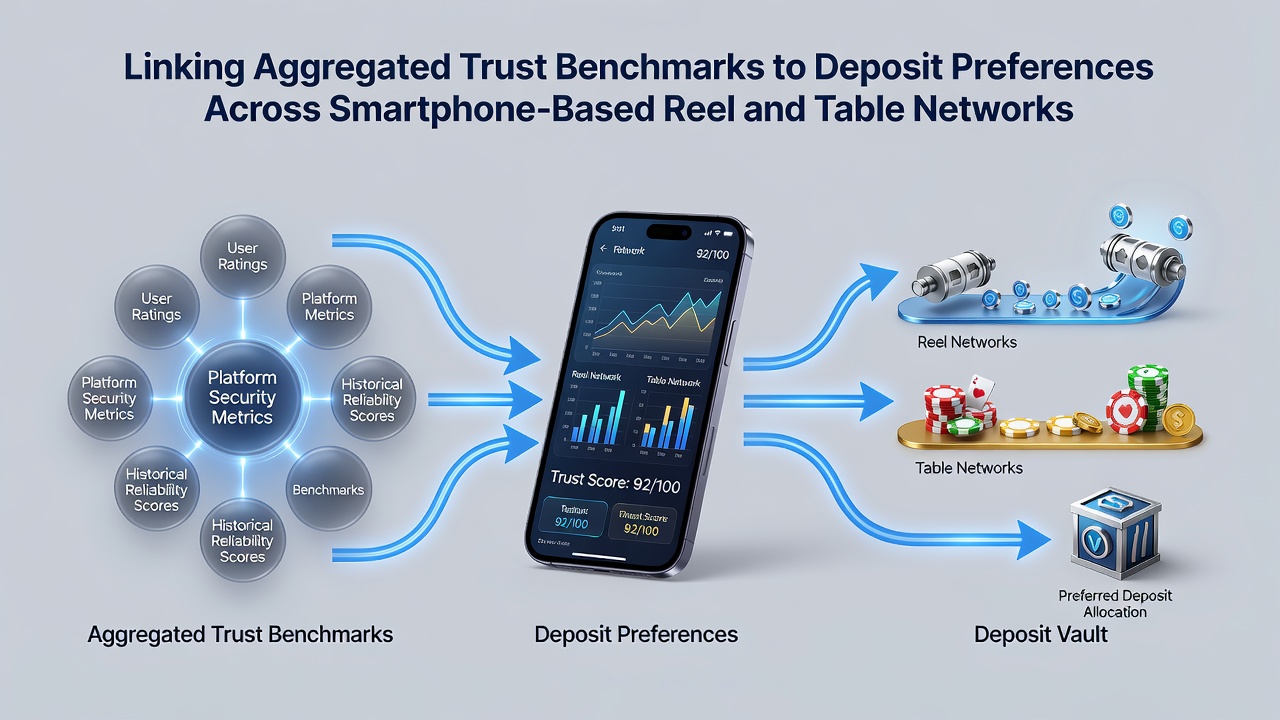
Linking Aggregated Trust Benchmarks to Deposit Preferences Across Smartphone-Based Reel and Table Networks
Data from mobile gambling platforms shows that aggregated trust benchmarks, including verification audit scores and security protocol ratings, correlate directly with user selections of deposit methods in reel and table game applications. Studies conducted across multiple jurisdictions reveal that higher benchmark values align with increased adoption of certain e-wallet and cryptocurrency options during the first half of 2026. Observers note that these patterns emerge consistently in smartphone-based environments where players engage with both slot-style reels and virtual table formats like blackjack or roulette.Trust Metrics and Their Role in Platform Selection
Researchers have compiled trust benchmarks from independent verification agencies that evaluate encryption standards, transaction monitoring systems, and user data protection measures. These scores aggregate into overall ratings that influence how players approach funding their accounts on handheld devices. Figures released in July 2026 indicate that platforms scoring above established thresholds see deposit volumes shift toward methods tied to those ratings, such as instant bank transfers or prepaid cards verified through third-party audits.
One analysis of cross-platform data found that users migrate toward deposit preferences featuring real-time confirmation when trust benchmarks highlight robust fraud detection. This shift occurs because players prioritize options that integrate seamlessly with biometric authentication already embedded in their smartphones. Data shows reel game sessions often precede table game play, yet deposit choices remain stable across both categories once trust signals reach a certain level.
Deposit Preferences in Reel and Table Environments
Smartphone users demonstrate distinct patterns when linking trust benchmarks to specific deposit tools. E-wallets with certified security layers attract higher transaction frequencies in reel networks, where quick reloads support extended play sessions. Table game environments, by contrast, show preferences for methods that allow larger single transfers backed by audit trails.
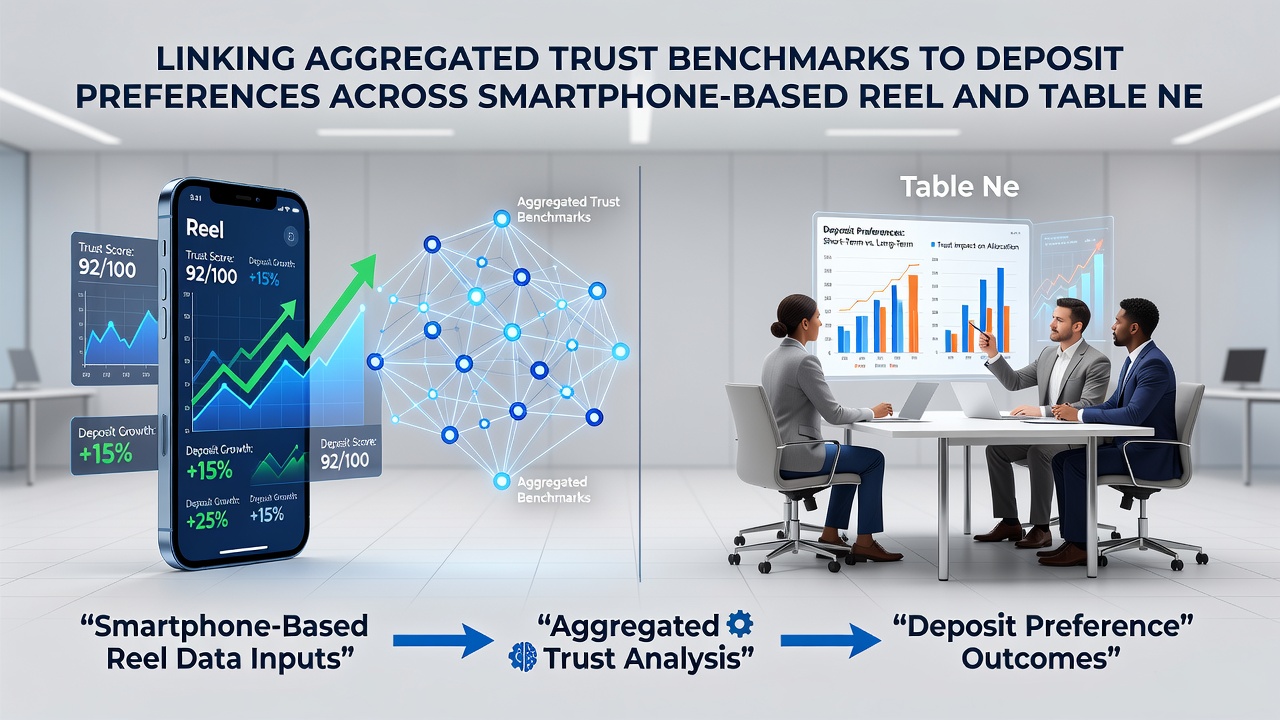
Evidence from industry reports points to a 12 percent rise in verified instant payout services between January and July 2026 among platforms that publish aggregated trust data openly. Players access these options through app interfaces that display benchmark summaries alongside each payment choice. Such transparency appears to guide selections without requiring additional research steps outside the application.
Regional Variations and Data Patterns
Analyses from different regulatory regions highlight geographic differences in how trust benchmarks shape deposit behavior. In North American markets, data indicates stronger correlations between high security ratings and cryptocurrency deposits for both reel and table titles. European platforms, meanwhile, record elevated use of regulated bank transfer services when verification cycles receive positive aggregate scores.
A report issued by the American Gaming Association outlines how these benchmarks interact with user demographics, showing younger cohorts responding more readily to mobile-optimized trust indicators. Australian regulatory summaries reveal parallel trends, where deposit preferences lean toward methods that include mandatory cooling-off features tied to trust evaluations.
Integration of Benchmarks into User Interfaces
Developers incorporate aggregated trust data directly into smartphone application designs, placing benchmark icons next to deposit buttons. This placement allows players to compare options without leaving the reel or table game screens. Transaction logs from July 2026 demonstrate that interfaces presenting such information experience reduced abandonment rates during funding processes compared to those omitting benchmark displays.
Cross-jurisdictional player data further illustrates that trust-linked preferences stabilize after repeated interactions, with users defaulting to previously successful deposit methods once initial benchmarks meet personal thresholds. Reel networks tend to show faster adaptation cycles than table environments because session durations differ markedly between the two formats.
Conclusion
Patterns connecting aggregated trust benchmarks to deposit preferences continue to evolve within smartphone-based reel and table networks. Available data from regulatory and industry sources confirms measurable alignments between security ratings and method selections across multiple regions. These connections provide a factual basis for understanding funding behaviors in mobile gambling applications as of mid-2026.