Licensing Boundaries Across Jurisdictions Determine Rollout Timelines for Mobile Reel Features
Written by Theo Simon · Jul 21, 2026
Licensing Boundaries Across Jurisdictions Determine Rollout Timelines for Mobile Reel Features
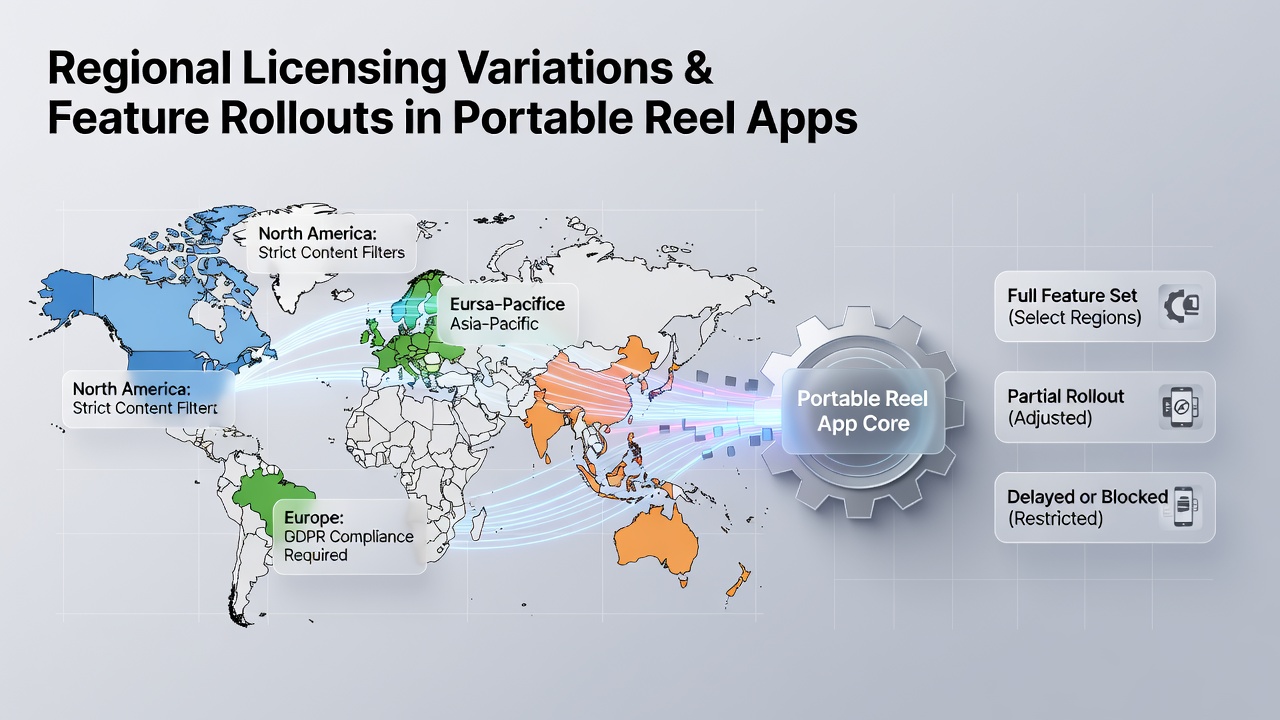
Regional licensing frameworks create distinct pathways for portable reel applications, where slot-style games adapt to local rules before new mechanics reach users, and developers must align updates with approval cycles that differ sharply by territory. In practice this means a single codebase branches into multiple versions, each carrying restrictions on bonus structures, random number generator certifications, and in-app transaction flows that reflect the license held in that market.
State-Level Approvals in the United States Drive Staggered Releases
New Jersey and Pennsylvania maintain separate certification processes through their gaming control boards, so a feature such as multi-level progressive jackpots cleared in one state can remain unavailable in another for several months while documentation clears the second authority. Data compiled by industry analysts shows average approval windows ranging from six to fourteen weeks depending on whether the addition involves new mathematical models or merely cosmetic changes to existing reels.
By July 2026 several operators plan synchronized launches across three Mid-Atlantic states once pending audits conclude, yet Michigan's regulatory timeline places the same updates two quarters later because its review queue prioritizes table-game expansions first. Observers note that these offsets force marketing teams to maintain region-specific campaigns rather than uniform global announcements.
European Markets Apply Distinct Technical Standards
Germany's State Treaty on Gambling imposes strict deposit-limit interfaces and session-time reminders that must integrate into every reel title before commercial distribution, whereas Spain's Dirección General de Ordenación del Juego focuses certification efforts on payout-frequency disclosures instead. Consequently an autoplay function permitted under Spanish rules requires additional user-consent layers before German authorities grant clearance, extending the development cycle by an estimated eight weeks per title.
Italian and Danish regulators further differentiate themselves through language-localization mandates and third-party audit frequency, creating a patchwork where identical reel mechanics appear on different calendars across the continent. Operators therefore maintain parallel compliance teams that track each jurisdiction's amendment schedule to avoid simultaneous non-conformance penalties.
Australian and Canadian Provinces Introduce Additional Layers
Victoria's gambling regulator and New South Wales' Independent Liquor and Gaming Authority both require pre-launch responsible-gaming module testing that exceeds the scope demanded in Queensland, resulting in phased national releases rather than single-day availability across Australia. Canadian provinces follow a similar pattern, with Ontario's Alcohol and Gaming Commission of Ontario demanding separate RNG seeding protocols from those accepted in British Columbia, which delays cross-border feature parity.
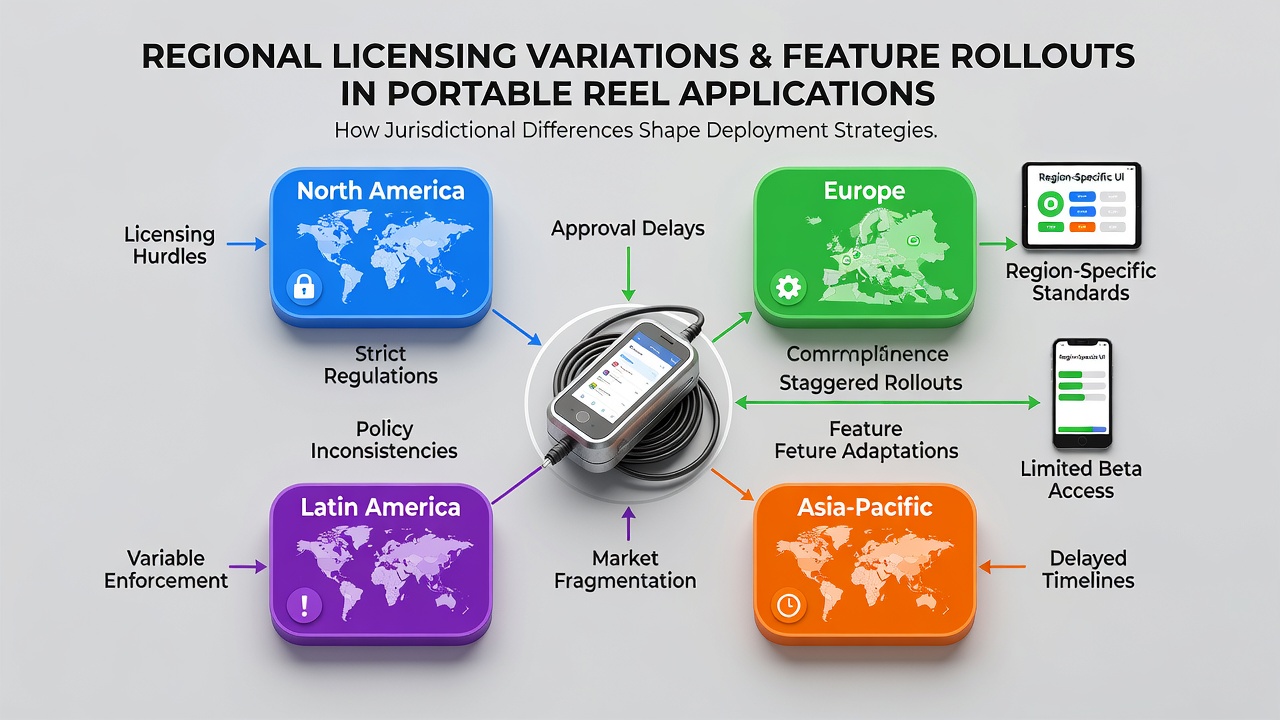
Research reports from the Canadian Gaming Association indicate that these procedural differences contributed to a 22 percent variance in feature deployment speed between eastern and western provinces during the first half of 2026. Developers respond by embedding jurisdiction flags within their update pipelines so that reel innovations activate only after local sign-off arrives.
Technical Implementation and Certification Workflows
Portable reel platforms rely on modular codebases where each licensed feature carries a unique compliance tag, allowing servers to serve region-appropriate builds without rebuilding the entire application. When a new bonus round passes certification in one market but awaits review elsewhere, the tag system prevents premature exposure while still permitting global testing environments for non-live assets.
Case studies from major suppliers reveal that maintaining these tags adds roughly 15 percent to initial engineering overhead, yet the approach reduces post-launch remediation costs by avoiding regulatory fines that can reach six figures per incident. Teams coordinate with laboratories accredited under ISO 17025 standards to schedule simultaneous submissions where possible, although calendar conflicts remain common.
Impact on Player Experience and Operator Strategy
Users in tightly regulated markets often encounter feature sets that lag behind those available in more permissive jurisdictions, prompting some platforms to publish release roadmaps segmented by license region. Operators track these disparities through internal dashboards that correlate approval dates with user retention metrics, revealing that delayed access to new reel mechanics correlates with measurable but temporary dips in session length.
Industry associations such as the European Gaming and Betting Association publish periodic summaries of approval trends, helping companies anticipate bottlenecks when planning cross-border expansions. These summaries also inform negotiations with regulators regarding streamlined mutual-recognition agreements that could shorten future cycles.
Conclusion
Regional licensing variations continue to shape the cadence at which portable reel applications receive updates, with each jurisdiction maintaining distinct technical, documentation, and timing requirements that collectively determine when features reach end users. As operators refine their compliance architectures, the industry observes incremental progress toward harmonized processes, yet current evidence indicates that staggered rollouts will remain the operational norm through at least the end of 2026.