Layered Verification Systems Influencing High-Stakes Reel Choices Across Licensed Mobile Gambling Platforms
Written by Elena Wagner · Jul 23, 2026

Layered Verification Systems Influencing High-Stakes Reel Choices Across Licensed Mobile Gambling Platforms
Multi-factor authentication has become a central factor in how players approach high-stakes reel play within licensed mobile ecosystems, with data indicating that verification layers directly affect app selection and session duration. Research from regulatory bodies shows that platforms incorporating biometric checks alongside one-time passwords and device recognition see higher retention rates among users placing larger wagers on slot titles, since these measures reduce unauthorized access risks while maintaining smooth gameplay flow.
Observers note that in July 2026 several state-licensed operators reported measurable shifts in user behavior after upgrading their authentication protocols, with high-stakes reel segments demonstrating increased activity on apps that combine fingerprint or facial recognition with location-based verification. These updates align with requirements from the New Jersey Division of Gaming Enforcement, which has documented how enhanced security correlates with greater player confidence during extended sessions involving substantial bets.
Core Components of MFA in Mobile Reel Environments
Authentication layers typically consist of something the user knows, something they have, and something they are, creating a stacked defense that licensed operators deploy to meet compliance standards. Data from industry reports reveals that mobile apps integrating all three elements experience fewer account compromises, which in turn guides players toward those platforms when selecting environments for premium reel experiences. Experts have observed that seamless integration of these layers prevents friction that might otherwise interrupt high-stakes play, allowing users to maintain focus on game mechanics rather than repeated logins.
Studies conducted across multiple jurisdictions indicate that push notifications for transaction approvals serve as an additional checkpoint particularly valued in high-roller segments, where wager sizes amplify the consequences of any security lapse. According to findings shared by the Nevada Gaming Control Board, operators using adaptive authentication that adjusts requirements based on wager thresholds report stronger user adherence to security prompts without noticeable drops in engagement levels.
Player Selection Patterns Driven by Security Features
Those who track mobile gambling trends find that high-stakes reel enthusiasts frequently prioritize apps with visible MFA indicators in their interface descriptions and review summaries. Figures from aggregated app analytics show that titles promoted within ecosystems emphasizing two-factor or multi-factor setups attract a disproportionate share of larger bet volumes, as users associate these features with reliable fund protection and fair play assurances. What's interesting is how this preference extends beyond initial downloads into long-term loyalty, with data indicating sustained activity on platforms that refresh their verification methods periodically.
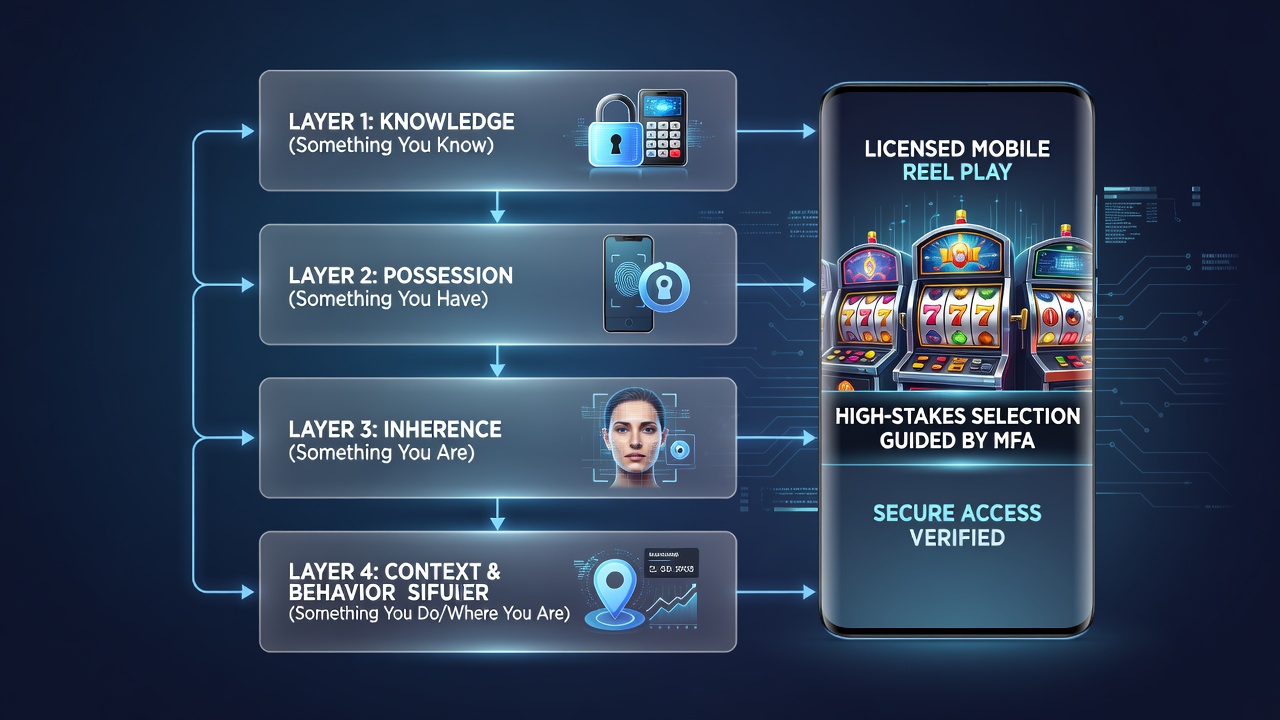
One analysis of cross-platform data patterns revealed that players migrate toward licensed mobile options offering device-bound tokens combined with behavioral analytics, since these reduce the likelihood of session interruptions during peak betting periods. Researchers discovered that such migrations accelerate when operators highlight their MFA frameworks in marketing materials, creating a feedback loop where security transparency becomes a competitive advantage in attracting serious reel participants.
Regulatory Frameworks and Their Influence on MFA Adoption
Licensing authorities across various regions enforce minimum authentication standards that shape how operators design their mobile offerings, with compliance data demonstrating clear links between stricter protocols and elevated user trust metrics. The Australian Communications and Media Authority has tracked how mandatory multi-factor requirements in digital gambling spaces lead to more stable high-stakes activity, as participants feel the environment supports secure, uninterrupted play. Evidence suggests that jurisdictions updating these rules in early 2026 saw corresponding increases in verified accounts engaging with premium reel content.
Industry associations such as the American Gaming Association have compiled statistics showing that platforms exceeding baseline MFA standards capture larger portions of the high-stakes mobile market, particularly when their systems incorporate real-time risk scoring. Observers point out that these enhancements allow operators to tailor verification intensity to individual player profiles, which data indicates improves both security outcomes and session completion rates in reel-focused applications.
Technical Integration and User Experience Considerations
Developers working within licensed ecosystems balance robust authentication with minimal disruption to reel gameplay, using techniques like silent background checks and cached credentials for returning sessions. Reports indicate that this approach supports extended high-stakes play without forcing users through redundant steps each time they launch a slot title, while still maintaining audit trails required by regulators. Those who have examined app performance metrics note that well-integrated layers correlate with lower abandonment rates during wager placement phases.
Cross-jurisdictional comparisons reveal that mobile platforms operating under multiple licenses often standardize their MFA implementations to meet the strictest applicable rules, resulting in uniform security experiences that players recognize and prefer. Data from July 2026 shows continued growth in adoption of these unified systems, especially among users who engage across different regional apps for high-stakes reel sessions.
Conclusion
Multi-factor authentication layers continue to steer selections in licensed mobile ecosystems by providing measurable security that aligns with the demands of high-stakes reel play, as evidenced by retention figures and regulatory compliance records. Operators that refine these systems based on player behavior data maintain stronger positions in competitive markets, while users benefit from environments where verification supports rather than hinders their preferred activities. Ongoing developments in verification technology suggest further refinements will shape future patterns in mobile gambling selections.