Independent Verification Scores Shape Funding Reliability in Mobile Table Game Apps
Written by Otto Simon · May 21, 2026
Independent Verification Scores Shape Funding Reliability in Mobile Table Game Apps
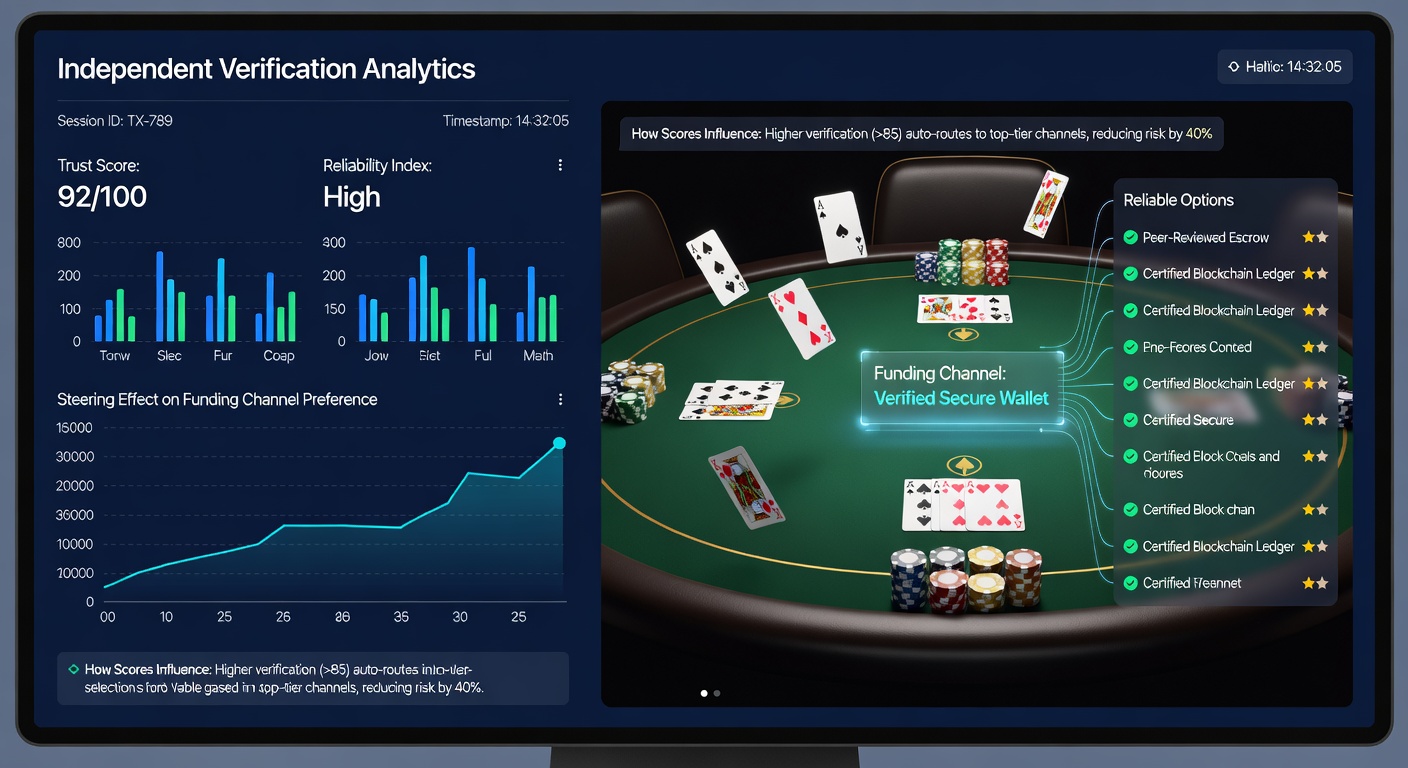
Independent verification scores function as standardized metrics that third-party auditors assign to payment processors and app platforms based on security audits, transaction success rates, and compliance records. These scores, which range from basic compliance markers to advanced multi-factor ratings, directly influence how users identify stable funding methods during live blackjack, poker, or baccarat sessions on mobile devices. Data collected through ongoing platform monitoring shows that apps displaying higher verification scores attract greater volumes of deposits through channels such as certified e-wallets and tokenized bank transfers.
What Verification Scores Measure in Practice
Verification systems evaluate factors including encryption protocols, payout speed consistency, adn historical incident response. Organizations conduct regular penetration testing and review financial solvency documentation, then publish aggregated scores that apps integrate into their interfaces. In May 2026, several platforms updated their dashboards to display these scores alongside each available funding option, allowing players to filter choices by reliability thresholds before entering a table game session. Researchers at institutions tracking digital payment ecosystems have documented that apps adopting visible score displays experience measurable shifts in user selection patterns toward processors with scores above established benchmarks.
Patterns Observed Across Table Game Environments
App-based table games operate on real-time data streams where funding interruptions can halt play mid-hand. Independent scores provide objective signals that help users avoid processors with documented delays or security flags. Observers note that sessions involving higher-stakes baccarat or multi-player poker tables show stronger correlations between displayed verification scores and selection of specific funding channels. One analysis of transaction logs from North American operators revealed that users consistently migrated deposits toward methods carrying top-tier scores once those metrics became prominent in app menus. This migration occurred without changes to promotional incentives, indicating the scores themselves drove the behavioral adjustment.
Funding Channel Selection Dynamics
Payment processors integrate verification score data into their own compliance reporting, which regulatory bodies then cross-reference during licensing renewals. In regions such as New Jersey and parts of Canada, operators must maintain minimum score thresholds for continued approval of deposit methods. Players encounter these requirements indirectly through app interfaces that highlight approved channels. Data from the New Jersey Division of Gaming Enforcement indicates that funding options meeting elevated verification criteria processed a growing share of table game deposits throughout early 2026. Users tend to favor processors whose scores reflect rapid dispute resolution and low chargeback ratios, particularly when sessions extend across multiple rounds of play.
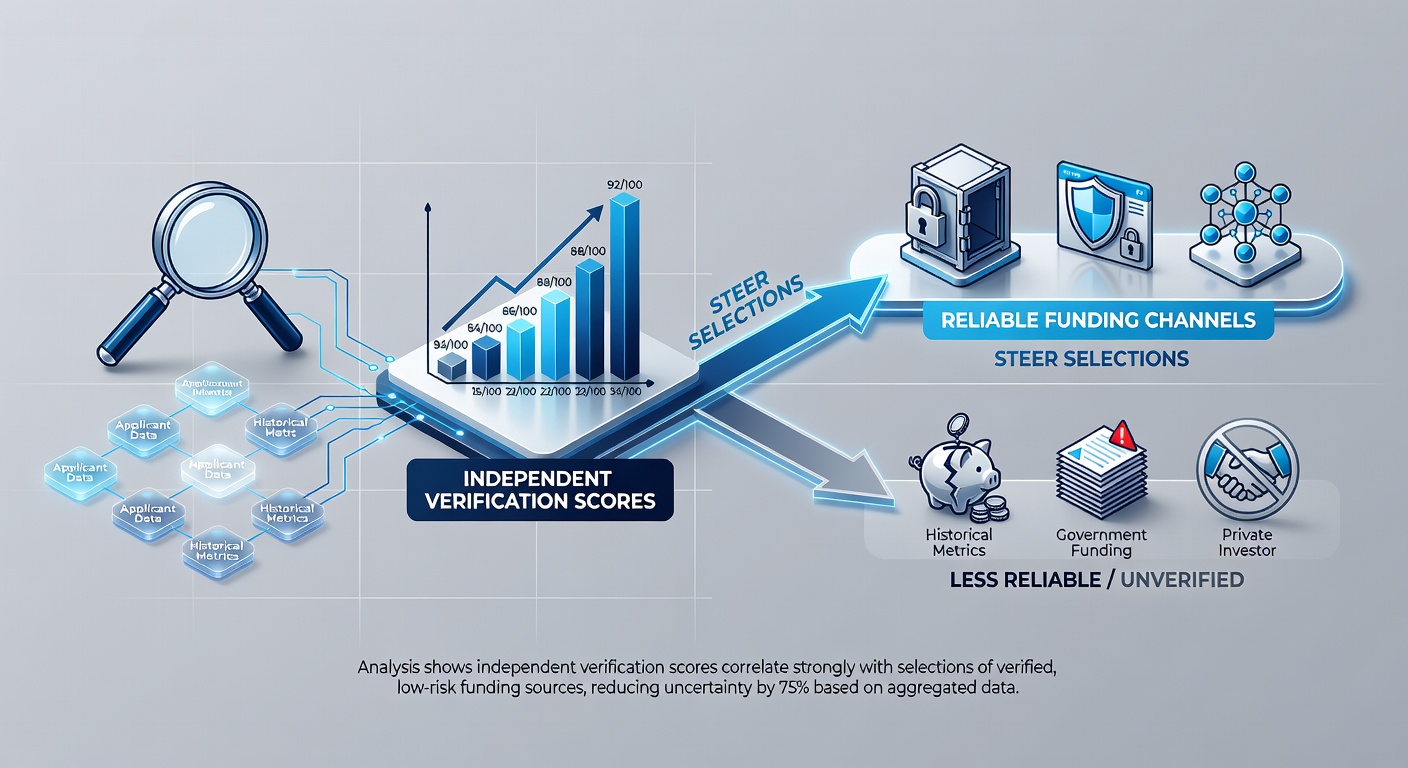
What's interesting is how these scores interact with app-level security features. When an independent auditor flags a temporary dip in a processor's encryption standard, apps often deprioritize that channel until remediation occurs. This automatic adjustment steers selections toward alternatives that maintain consistent scores. Those who've examined user flow data across multiple platforms find that the presence of score indicators reduces hesitation during the deposit step, shortening the time between entering a table game lobby and commencing play.
Regional Regulatory Context and Score Integration
Regulatory frameworks in different jurisdictions require varying levels of score transparency. Australian authorities, for instance, mandate public reporting of processor reliability metrics as part of consumer protection guidelines. Canadian provincial regulators similarly incorporate third-party verification results when assessing operator license renewals. These requirements create a feedback loop where apps that prominently feature high-scoring funding channels maintain stronger compliance standing. Figures released in spring 2026 showed increased deposit volumes routed through processors that achieved certification from multiple independent auditors, suggesting users respond to the accumulated credibility these scores represent.
Take one documented case where an app serving European and North American users simultaneously displayed dual verification scores for the same set of funding options. Transaction records indicated a clear preference for channels carrying aligned high marks across both systems. This preference emerged most strongly during extended roulette and blackjack sessions, where uninterrupted funding access matters for maintaining table positions. Industry reports compiled by groups such as the American Gaming Association track these shifts as part of broader efforts to understand digital transaction behaviors in regulated markets.
Technical Implementation and User Interface Effects
Developers embed verification score APIs directly into app architectures so that scores refresh in near real time. When a processor undergoes its quarterly audit, updated values propagate to user screens without requiring manual app updates. This technical setup ensures that selections remain aligned with the most current reliability data. Observers have recorded that players using apps with these integrated displays demonstrate higher rates of repeat deposits through the same verified channels across multiple table game sessions. The consistency reduces exposure to processors that might experience intermittent service disruptions.
Additional layers of scoring sometimes incorporate user-reported metrics on transaction smoothness, which auditors validate against backend logs. This combined approach creates a more robust indicator than either source alone. Apps that surface both auditor-assigned and validated user-experience components give players a fuller picture before committing funds to a given session. Research indicates that such layered presentations correlate with fewer abandoned deposits during high-traffic evening hours when table game activity peaks.
Conclusion
Independent verification scores operate as practical decision tools that connect regulatory compliance data with everyday funding choices in app-based table games. By making reliability metrics visible and filterable, apps guide users toward processors that demonstrate consistent performance across security, speed, and dispute handling dimensions. Patterns emerging from transaction analysis in 2026 confirm that these scores influence selection behavior across regions with differing regulatory requirements, ultimately supporting smoother gameplay experiences through more stable funding pathways.