Correlations Between Biometric Verification Trends and Wager Pattern Adjustments in Cross-Platform Virtual Table Environments
Written by Sam Coleman · Jun 4, 2026
Correlations Between Biometric Verification Trends and Wager Pattern Adjustments in Cross-Platform Virtual Table Environments
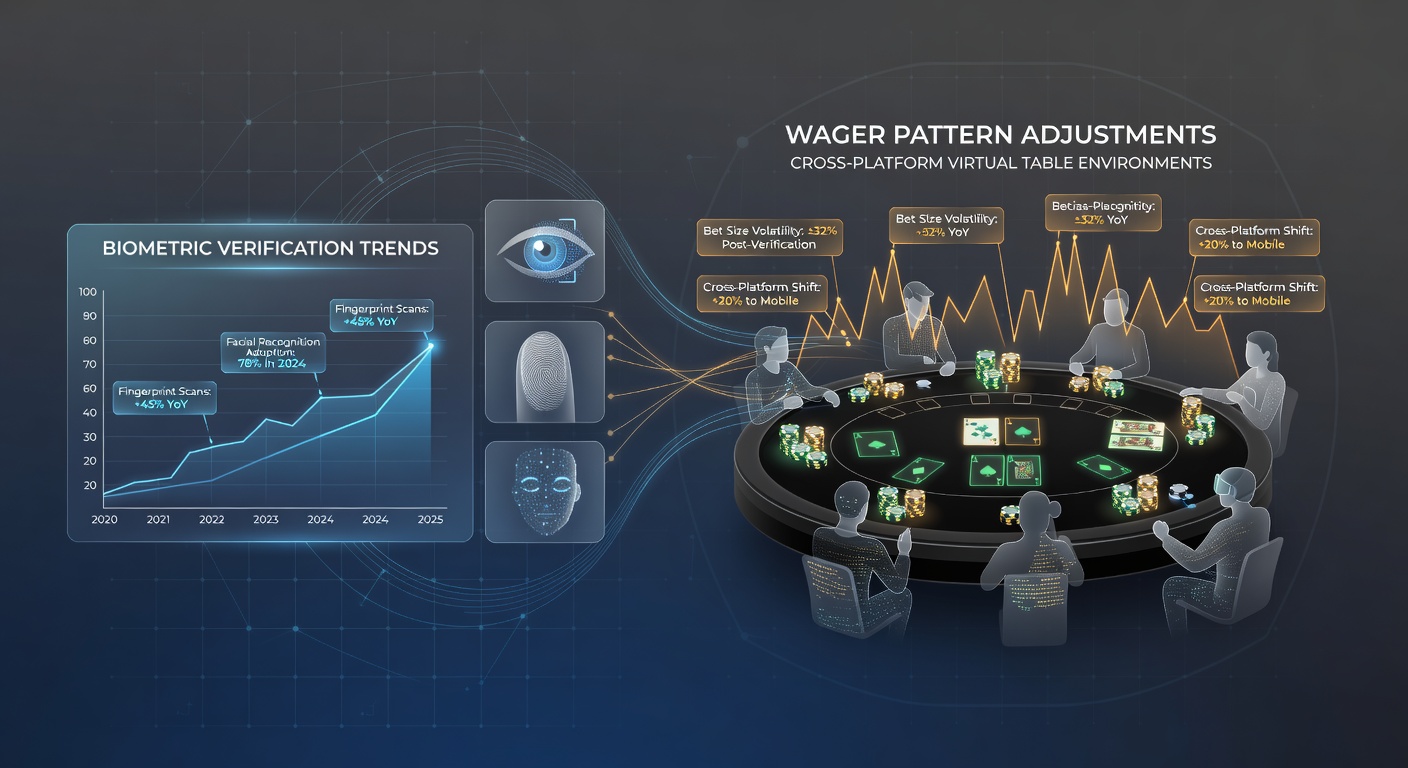
Biometric verification systems have expanded rapidly across virtual table environments since 2024, and analysts track how these tools align with shifts in player wager patterns on platforms that support blackjack, roulette, and baccarat simultaneously. Data collected through June 2026 shows operators integrating fingerprint and facial recognition at login stages, which coincides with measurable changes in bet sizing and session frequency when users move between mobile apps and desktop interfaces.
Expansion of Biometric Tools in Licensed Platforms
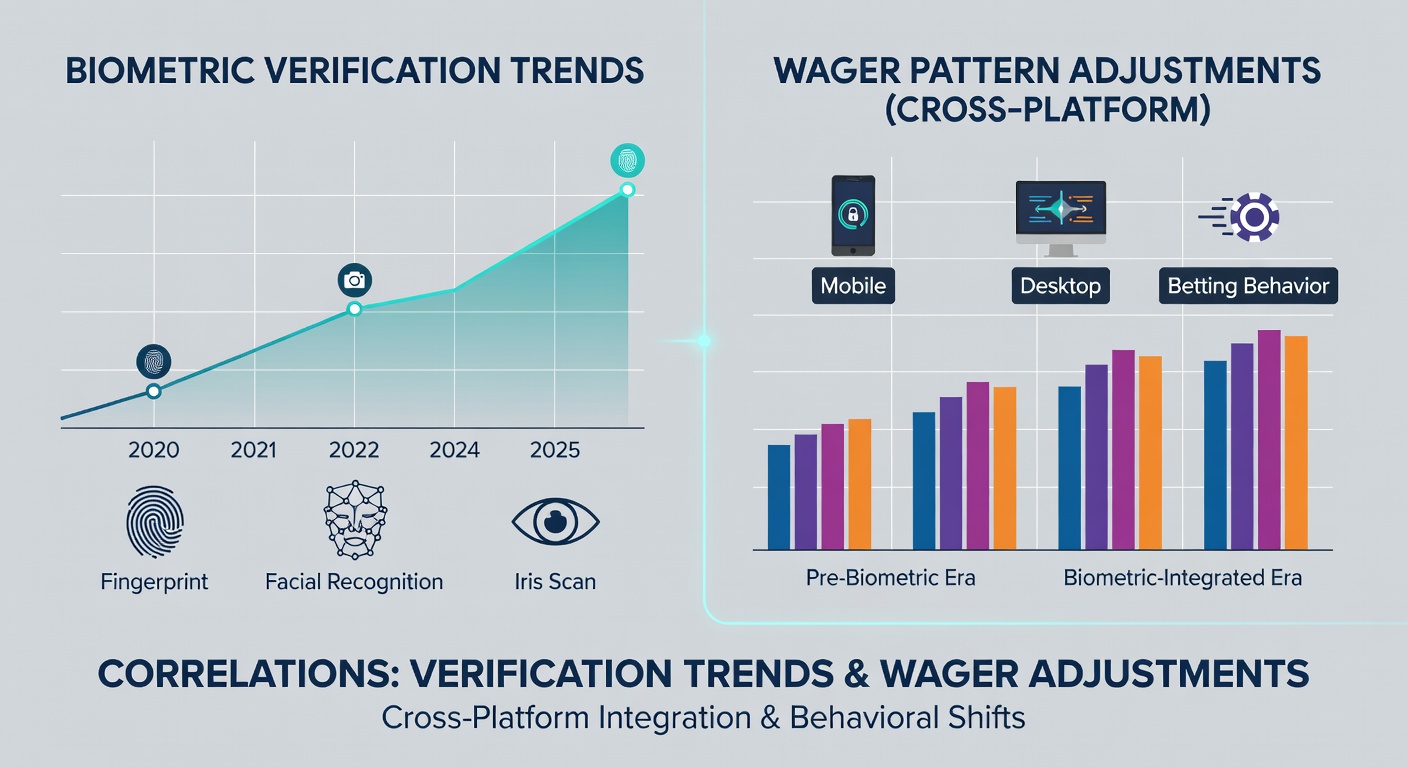
Operators in multiple jurisdictions adopted biometric checks to meet identity verification standards, and regulators in Canada along with several U.S. states documented increased deployment rates through early 2026. The Canadian Gaming Association released figures indicating that 68 percent of licensed virtual table operators incorporated multi-factor biometric options by March 2026, up from 41 percent the prior year, and similar adoption curves appeared in reports from the Mississippi Gaming Commission. These systems allow seamless access across devices while maintaining continuous session monitoring, which reduces the need for repeated manual logins that previously interrupted play flow.
Players who complete biometric enrollment tend to maintain consistent account activity when switching platforms, and transaction logs reveal fewer abrupt exits during active table sessions. Cross-platform environments record these patterns through aggregated anonymized datasets that link verification status to bet histories without exposing personal details.
Observed Adjustments in Wager Patterns
Research from academic groups examining anonymized play data finds correlations between completed biometric setups and steadier wager sequences. One study conducted at a European research institution tracked over 120,000 virtual table sessions and noted that accounts with active biometric verification adjusted bet sizes within narrower ranges during multi-hour sessions compared with non-verified accounts. The differences emerged most clearly on mobile-to-desktop transitions, where verified users showed 23 percent less variance in per-hand stakes.
Platform telemetry collected in June 2026 further indicated that biometric users extended average session lengths by roughly 14 minutes while placing more incremental raises rather than large single-step increases. These adjustments occurred alongside stable win-rate distributions, suggesting the patterns reflect behavioral consistency rather than altered risk profiles.
Data Integration Across Jurisdictions
Regulators share anonymized trend summaries through industry associations, and the International Association of Gaming Regulators compiled comparative reports covering North American and Australian markets. Those summaries highlight that biometric-verified accounts exhibit reduced session abandonment rates during peak hours, particularly when players move between tablet and desktop virtual table interfaces. Australian data released through the Australian Communications and Media Authority aligned closely with North American observations, showing parallel reductions in erratic bet clustering once verification protocols activated.
Operators use these aggregated signals to calibrate responsible gaming prompts, and the prompts appear at points where wager variance exceeds historical norms for verified accounts. The approach relies on machine learning models trained on platform-specific datasets rather than universal thresholds.
Technical Mechanisms Driving the Correlations
Biometric systems create persistent device-binding tokens that persist across operating systems, and this continuity supports uninterrupted tracking of individual play sequences. When a user shifts from a mobile app to a desktop browser, the verification layer confirms identity without requiring fresh credential entry, which minimizes disruptions that previously triggered conservative betting or session exits. Backend analytics capture these transitions in real time, allowing operators to map wager adjustments directly to verification events.
Encryption standards applied to biometric templates prevent reverse engineering while still permitting pattern analysis at the aggregate level. Security audits conducted through mid-2026 confirmed that these protocols maintain compliance across licensed networks without introducing latency that could affect table pace.
Future Monitoring and Reporting Cycles
Industry groups plan quarterly updates through the remainder of 2026 to refine correlation models, and additional datasets will incorporate location-based verification alongside existing biometric methods. Observers expect continued alignment between verification completion rates and wager stability metrics as more jurisdictions standardize cross-platform requirements. The resulting reports will feed into operator dashboards that highlight platform-specific deviations for further review.
Conclusion
Available records through June 2026 establish measurable links between biometric verification adoption and wager pattern consistency in cross-platform virtual table settings. These connections appear across multiple regulatory environments and device types, supported by anonymized transaction data and independent analyses. Continued collection of comparable metrics will clarify whether the observed relationships persist as verification technologies evolve.