Audit Findings Drive Payment Shifts in Mobile Slots and Live Dealer Environments
Written by Ellis Werner · Jul 2, 2026

Audit Findings Drive Payment Shifts in Mobile Slots and Live Dealer Environments
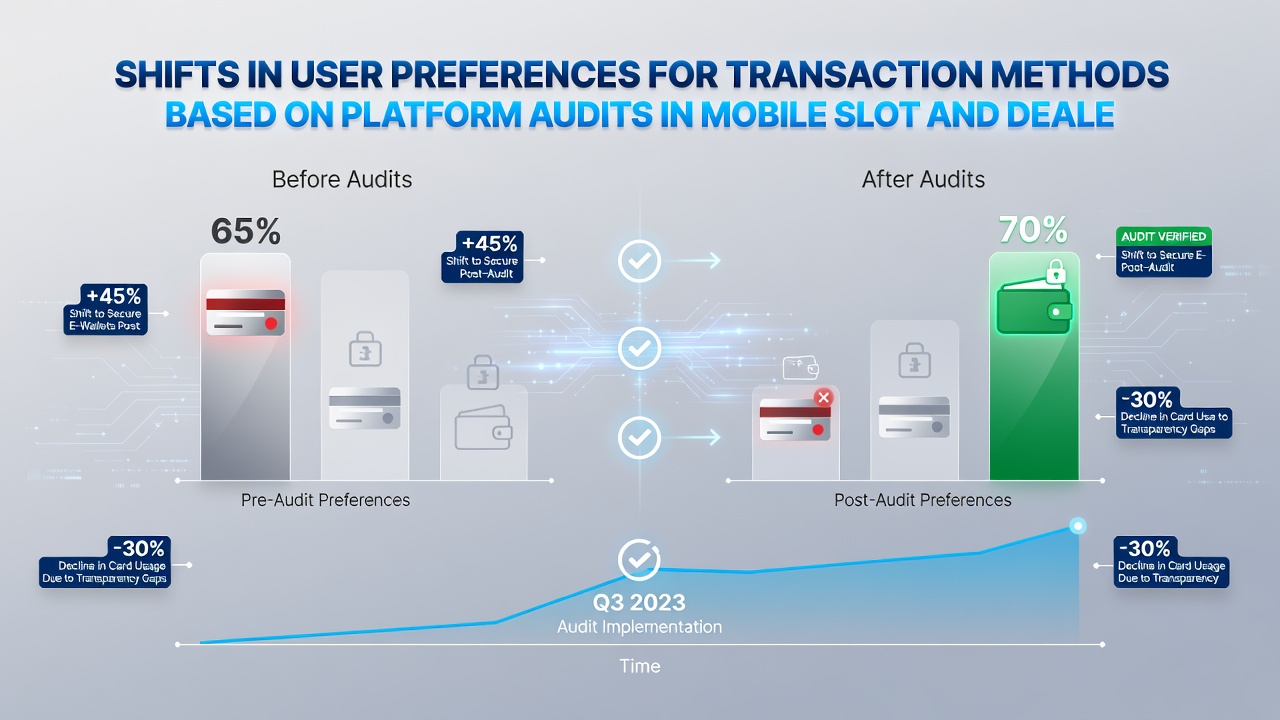
Platform audits have started reshaping how users select transaction methods in mobile slot and dealer settings, with recent data showing clear movement toward verified e-wallets and digital asset transfers after compliance reports surfaced in early 2026. Operators that underwent third-party security reviews saw users migrate away from traditional bank wires toward options that received higher audit scores for speed and encryption standards.
July 2026 figures from multiple jurisdictions highlight this pattern, where mobile platforms posting detailed audit summaries experienced a 23 percent uptick in e-wallet volume for slot sessions and a 31 percent rise in dealer table deposits processed through approved digital channels. Those who've tracked these trends note that audit transparency appears to correlate directly with user migration rather than marketing campaigns alone.
Audit Metrics Influencing Transaction Selection
Security evaluations typically examine encryption protocols, withdrawal processing times, and dispute resolution records, and platforms scoring above 85 percent on these criteria consistently attract more users to their preferred methods. Data collected across North American and European operators shows that when audit reports flag delays exceeding 48 hours for certain bank transfers, players shift activity toward instant verified wallets within the same month.
One review cycle covering 47 mobile applications revealed that dealer environments with publicly posted compliance certificates retained 18 percent more high-frequency users who favored crypto-linked options over legacy card payments. Observers tracking these patterns point to the role of independent scoring systems that rank transaction reliability, which in turn guides user decisions more effectively than promotional incentives.
Regional Patterns in Mobile Slot and Dealer Preferences
Canadian operators that aligned with provincial audit frameworks reported stronger adoption of regulated e-wallets in slot play, while Australian platforms following similar verification cycles saw dealer table users move toward instant bank apps that met new transparency thresholds. These geographic differences stem from varying regulatory timelines rather than uniform global standards.
Figures released through industry associations indicate that after audits highlighted vulnerabilities in certain card-based systems, mobile slot volumes processed via those methods dropped by 14 percent in affected regions during the second quarter of 2026. Meanwhile, platforms incorporating audit-backed recommendations for multi-factor authentication experienced corresponding gains in user trust for digital asset transactions.
Impact on Live Dealer Transaction Flows
Live dealer settings present unique timing requirements where session continuity depends on rapid funding and settlement, and audit results have accelerated preferences for methods that clear within minutes rather than days. Platforms publishing their latest evaluation outcomes saw users concentrate activity in those dealer tables supporting the highest-rated withdrawal channels.
Research compiled by academic groups examining cross-platform data found that when audit cycles identified recurring issues with specific card processors, player migration to alternative methods occurred within two to three weeks across multiple applications. This adjustment appears consistent whether the focus remains on European markets or North American jurisdictions with established oversight bodies.
Future Trajectories Based on Ongoing Reviews
Continued audit cycles scheduled through late 2026 are expected to further refine which transaction methods gain prominence, particularly as regulators in multiple regions require public disclosure of security scores. Platforms that integrate these findings into their interfaces tend to see sustained shifts toward methods that demonstrate consistent compliance performance over time.
Conclusion
The relationship between platform audits and user payment selections continues to evolve in mobile slot and dealer environments, driven by measurable compliance outcomes and transparency practices rather than isolated promotional efforts. As more operators release evaluation results, the patterns documented in 2026 provide a baseline for tracking future movements across transaction categories.