Audit Cycles Drive Shifts in Player Activity Across International Mobile Wagering Platforms
Written by Theo Simon · Jul 14, 2026
Audit Cycles Drive Shifts in Player Activity Across International Mobile Wagering Platforms
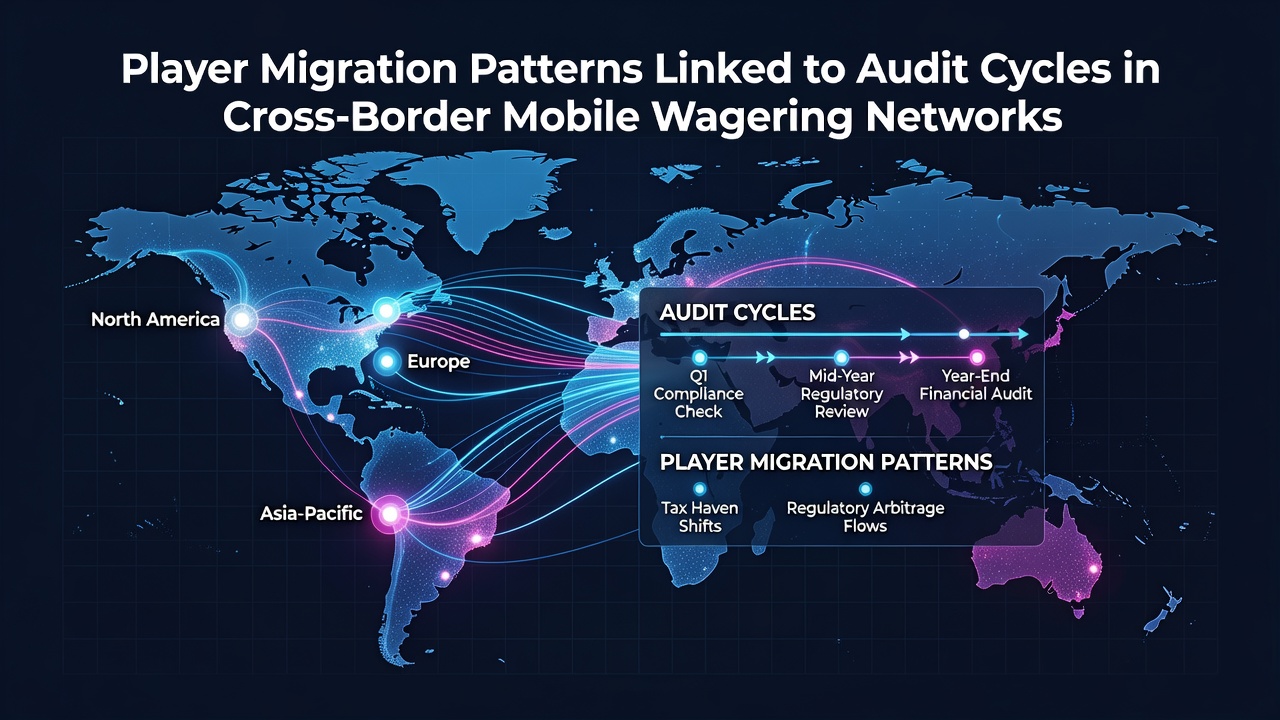
Data from multiple jurisdictions shows clear connections between scheduled audit cycles and changes in where players place wagers on mobile networks that cross borders, and these movements often follow predictable timelines tied to compliance reviews rather than random market forces.
Understanding Audit Cycles in Mobile Wagering Systems
Regulatory bodies conduct periodic audits that examine transaction records, user verification processes, and financial reporting standards in cross-border mobile wagering operations, while these reviews typically occur quarterly or semi-annually depending on the licensing authority involved. Platforms operating across multiple regions must synchronize their compliance efforts with each jurisdiction's requirements, which creates windows where processing speeds for deposits and withdrawals slow down noticeably. Players who monitor these patterns adjust their activity to platforms that have just completed audits or operate under lighter review schedules at that moment.
Key Factors Linking Audits to Migration
Transaction velocity metrics often drop during audit periods because operators allocate resources to documentation and verification tasks instead of routine operations, and this slowdown prompts users to test alternative networks that maintain faster payout times. Research from the European Gaming and Betting Association indicates that withdrawal requests can take up to 40 percent longer when audits overlap with peak betting seasons, while data collected through 2025 and into early 2026 highlights consistent player shifts toward networks with staggered audit calendars.
Cross-border operators face additional layers of scrutiny when serving users from different regulatory environments, and this complexity increases during simultaneous reviews across jurisdictions. Those who have tracked these events note that players frequently open accounts on secondary platforms weeks before anticipated audit dates, then return once primary accounts resume normal service levels. Such behavior appears in aggregated transaction logs from networks licensed in multiple European and North American markets.
Observed Patterns in July 2026
July 2026 data reveals several platforms experienced measurable drops in active mobile sessions during the first two weeks of the month, coinciding with audit schedules announced by licensing authorities in Malta and several Canadian provinces. At the same time, networks based in jurisdictions with later audit windows recorded corresponding increases in new registrations and deposit volumes. Observers note that these shifts tend to stabilize once the reviews conclude, although some players maintain multiple accounts as a permanent strategy rather than returning exclusively to original platforms.
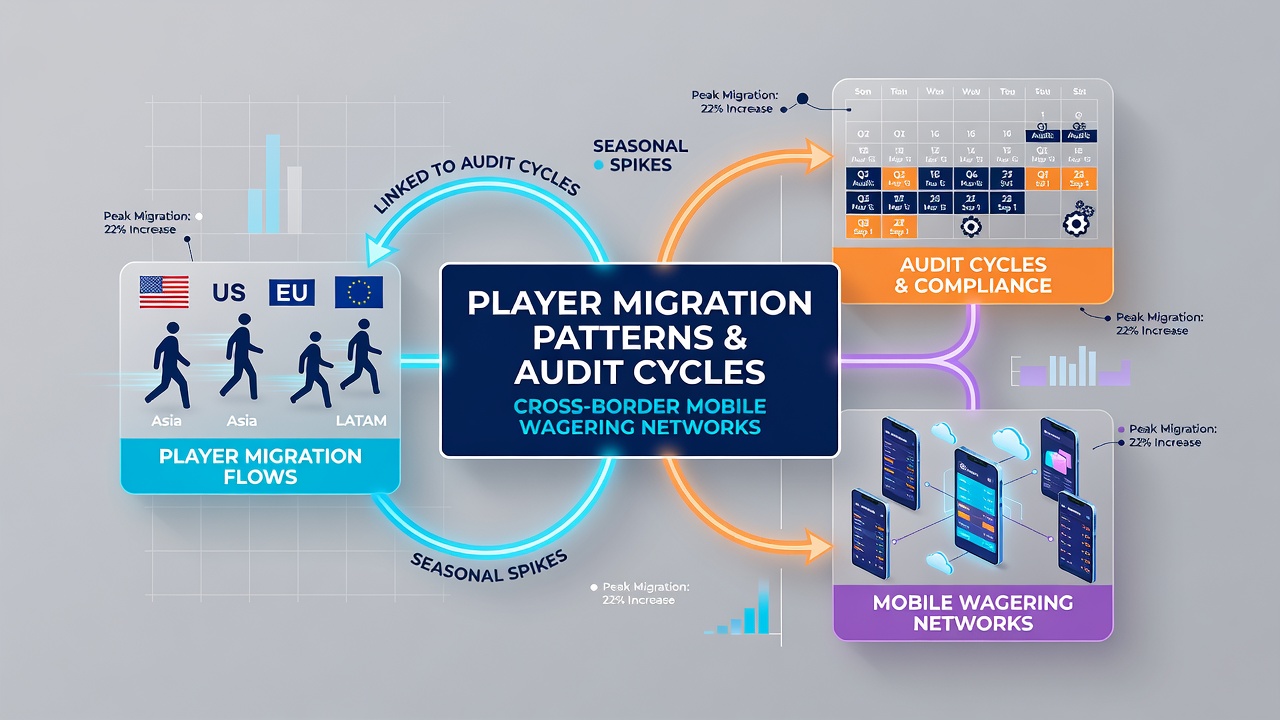
Analysts tracking user behavior across portable wagering systems have identified that audit-related migrations follow seasonal rhythms as well, with higher volumes occurring when major sporting events overlap with compliance deadlines. One study released by the Australian Gambling Research Centre examined transaction data from 2024 through mid-2026 and found that players who migrated during audit periods showed a 25 percent higher likelihood of maintaining activity on the new platform for at least 90 days afterward.
Regional Variations in Audit Impact
European markets demonstrate tighter coordination between audit schedules and player movement compared with North American networks, partly because operators there often hold licenses in several countries simultaneously. In contrast, operators serving U.S. state markets face audits that align more closely with individual state regulatory calendars, which creates different migration dynamics when players move between state-specific apps. Figures from the Nevada Gaming Control Board show that mobile wagering volumes in that jurisdiction remained stable during audits of multi-state operators, whereas smaller platforms without diversified licensing saw greater fluctuations.
Operators have begun publishing audit completion dates in advance to manage user expectations, and some networks now advertise their compliance status as a competitive feature. This transparency appears to reduce abrupt migration spikes, although the underlying correlation between audit timing and activity shifts remains visible in industry-wide reporting.
Conclusion
Patterns connecting audit cycles to player migration in cross-border mobile wagering networks continue to emerge as more data becomes available from operators and regulators alike. These movements reflect practical responses to processing delays and compliance requirements rather than broader market preferences. As licensing authorities refine their review processes and operators adjust their operational planning, the relationship between audit schedules and user activity is likely to remain a measurable factor in how activity distributes across international mobile platforms.