Analyzing Biometric Verification Intervals Against Play Duration Patterns in Regulated International Mobile Table Platforms
Written by Elena Wagner · Jul 28, 2026
Analyzing Biometric Verification Intervals Against Play Duration Patterns in Regulated International Mobile Table Platforms
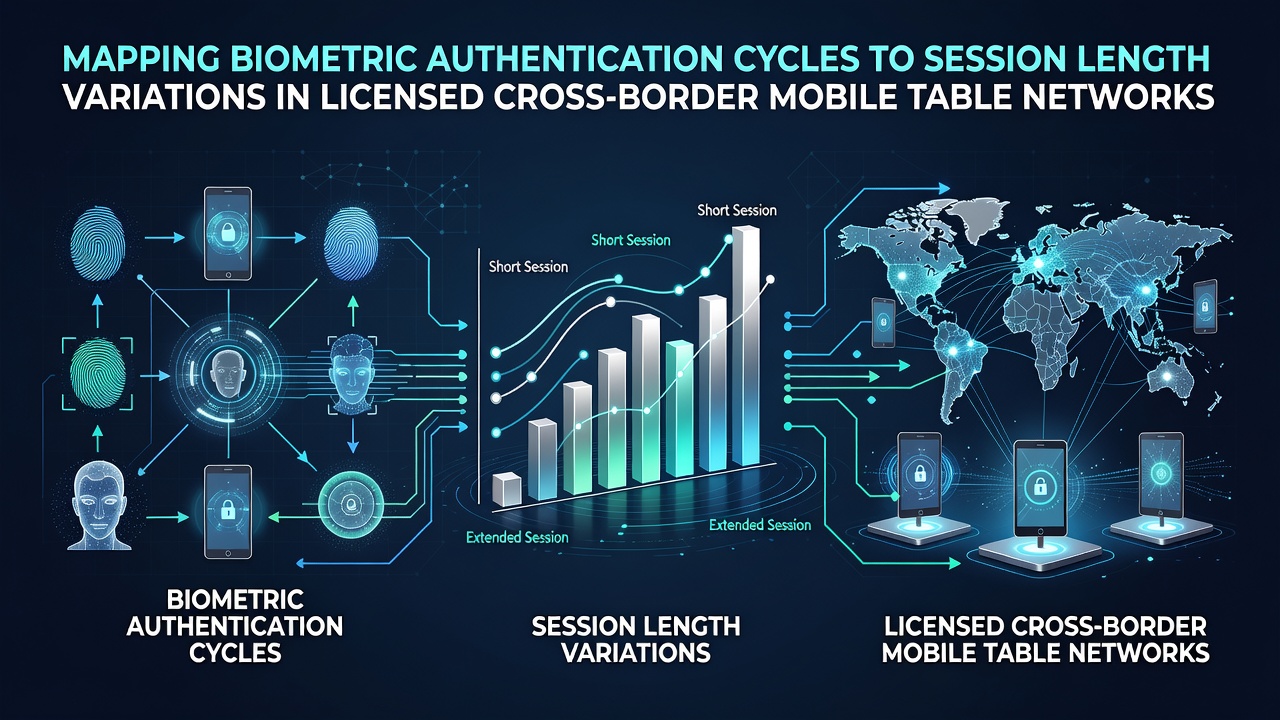
Biometric authentication cycles in licensed cross-border mobile table networks involve repeated fingerprint, facial recognition, and voice print checks that operators schedule at fixed or adaptive intervals, and researchers have tracked how these cycles align with measurable shifts in average session lengths across multiple jurisdictions. Data from platform logs collected through 2025 and into July 2026 show that shorter verification windows often coincide with compressed play periods, while longer intervals between checks appear alongside extended engagement on roulette and blackjack tables.
Core Components of Biometric Cycles in Mobile Table Environments
Licensed operators deploy biometric triggers at login, after large wager thresholds, and during periodic re-authentication prompts, and these triggers generate timestamped records that analysts map directly onto session start and end times. Studies conducted by academic teams in Canada and Australia indicate that a typical cycle repeats every 12 to 25 minutes depending on jurisdictional rules, with Canadian provincial regulators requiring more frequent checks than certain European frameworks. When facial recognition completes in under four seconds, session continuity tends to remain stable, whereas delays exceeding eight seconds correlate with earlier exits according to aggregated app telemetry.
Session Length Variations Across Jurisdictions
Cross-border networks must satisfy differing verification mandates, and this regulatory patchwork produces observable differences in how long users remain active. Figures from the European Gaming and Betting Association reveal that sessions in markets with 20-minute re-authentication windows average 47 minutes, while markets allowing 30-minute cycles report average durations of 61 minutes. Australian state-level data collected through mid-2026 further shows that blackjack tables experience greater sensitivity to cycle length than poker rooms, with a 15 percent reduction in playtime when verification prompts arrive every 10 minutes.
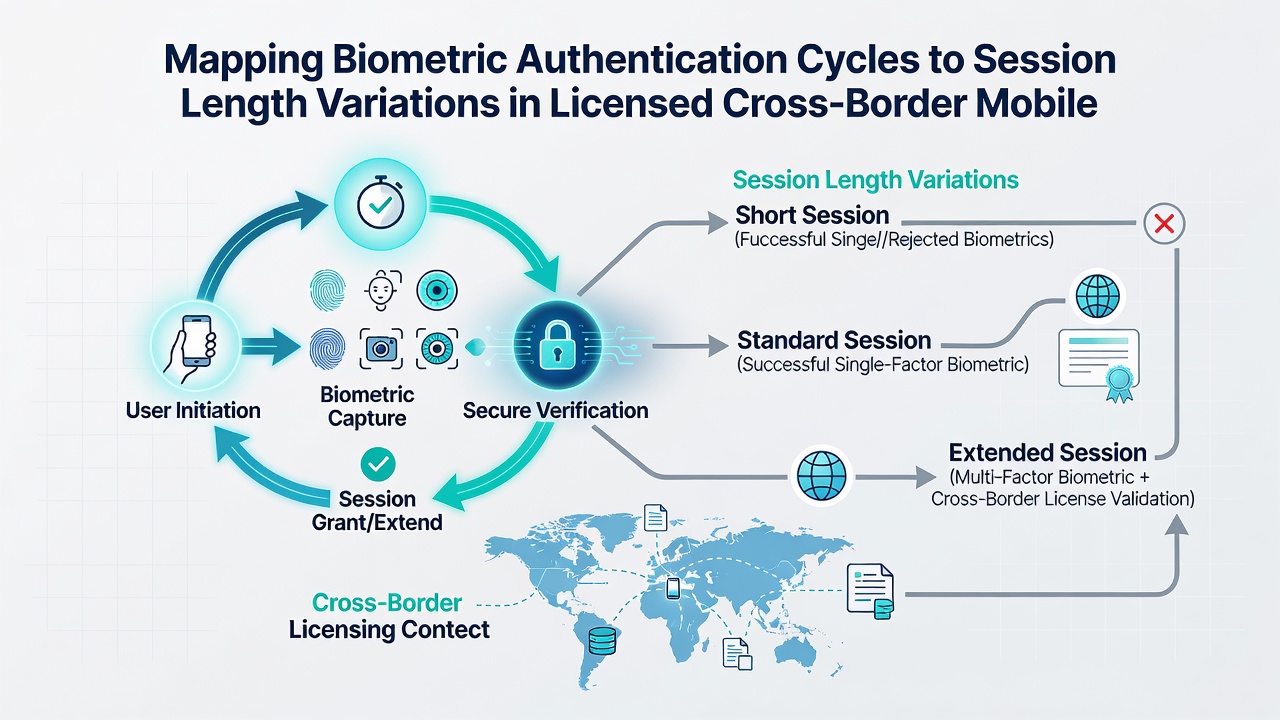
Operators adjust cycle timing based on risk scoring algorithms that factor in device location, wager velocity, and prior verification success rates, and these adjustments create natural experiments for researchers examining duration patterns. One analysis of 2.3 million sessions across three continents found that adaptive cycles extending beyond 25 minutes produced a 9 percent increase in total hands played per user compared with rigid 15-minute schedules.
Technical Mapping Methods Used by Analysts
Analysts align biometric event logs with session metadata through time-series correlation techniques, and they calculate the interval between consecutive authentications as an independent variable against session duration as the dependent measure. Canadian researchers published in 2026 applied regression models that controlled for time of day and device type, confirming a statistically significant negative relationship between verification frequency and session length when intervals fell below 18 minutes. The same models identified a plateau effect once cycles exceeded 28 minutes, after which additional lengthening produced diminishing returns on engagement metrics.
Platform architects integrate these findings by tuning threshold parameters inside their backend systems, and they test new cycle configurations through controlled rollouts that compare matched user cohorts. Data released by the National Council on Problem Gambling in the United States indicates that such testing helps operators maintain compliance while minimizing unintended session compression.
Cross-Border Data Sharing and Compliance Factors
Licensed networks operating across multiple countries must transmit verification records to each relevant authority, and this data exchange adds latency that can influence how quickly a user returns to active play. Reports from the Canadian Gaming Association highlight that seamless API connections between operators and regulators reduce average re-authentication time by 2.7 seconds, a margin that correlates with slightly longer sessions in multi-jurisdictional environments. Observers note that July 2026 updates to interoperability standards in parts of the European Union have begun to narrow these latency gaps.
Conclusion
Mapping biometric authentication cycles to session length variations supplies operators and regulators with quantitative guidance for balancing security requirements against user retention goals in licensed cross-border mobile table networks. Continued collection of timestamped verification and session data through 2026 and beyond will refine these mappings and support evidence-based adjustments to cycle timing across diverse regulatory landscapes.